Tuberculosis
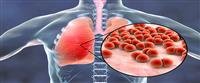
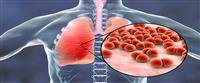
Tuberculosis is an infection caused by a bacterium that can spread through the lymph nodes and bloodstream to all parts of the body.
In most cases, the bacterium can be found in the lungs specifically.
Latent TB
The majority of people who are exposed to TB germs have no symptoms at all, because this germ can live in a dormant state in very long periods of time.
However, if the immune system is weakened, the bacterium wakes up to become active and effective, causing damage and death to the tissues of the organ it is attacking.
Active tuberculosis
Active TB is a deadly disease if not treated appropriately.
Since the bacterium that causes the appearance of TB is transmitted through the air, TB is very infectious. However, it is almost impossible to become infected as a result of a one-time social meeting with a person with tuberculosis, as it is necessary to be exposed to the virus permanently, or to live or work with a person with tuberculosis, in his active form.
MDR-TB
Tuberculosis in its underlying condition may eventually turn into an effective condition, so it is preferable to give drug therapy also to people who do not have any symptoms. This is because drug therapy can get rid of dormant germs in the body, before it turns into a working condition.
In the past, tuberculosis was very prevalent on a global level, but it became more and more rare thanks to the antibiotic treatments that were started to treat tuberculosis since the fifties of the twentieth century.
About two decades ago, the US Health Administration announced that tuberculosis had been eradicated and eradicated permanently throughout the world. But this announcement was premature, as tuberculosis reappeared with a new image called "Multidrug Resistant Tuberculosis".
This type of tuberculosis is resistant to all known drugs, until now.
Symptoms of tuberculosis
The majority of people who are exposed to TB germs do not have any symptoms at all, as this germ can live in a safe way in the body for very long periods of time.
The symptoms of effective TB disease are similar to other pollutants in the respiratory tract and are characterized by:
Bad general feeling
Coughing with phlegm
Heat
Causes and risk factors for tuberculosis
Since the bacterium that causes the emergence of tuberculosis is transmitted through the air, tuberculosis is a very contagious disease, as we mentioned earlier.
This does not mean transmission of the infection from one meeting with the TB patient, but rather requires several meetings and communicate with him.
Even when this actually happens, only 10% of people who are exposed to TB germs develop an effective disease later, given that the germ is often present in an inactive (dormant) state when it enters the body.
As for the others (90% of those exposed to the virus) are considered infected with hidden tuberculosis (Occult), so they do not show any symptoms of tuberculosis and do not pass the infection on to others.
Tuberculosis may eventually shift from its underlying condition to its active state, as I have mentioned above.