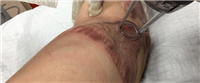

chapped feet
Dr. Fayza Al-Ghamm Al-Ghamdi, consultant of dermatology and laser in the King Abdulaziz Medical City, pointed out the seriousness of cracking that affects the heels of the foot, stressing that it is a sign of lack of attention and care for the foot and said: These cracks are long wounds on the surface of the skin and may deepen until the dermis reaches and attributed Al-Ghamdi Cracks to pressure on the center of the feet, dry skin, zinc deficiency, and omega-3 acid.
She continued that although cracks may develop anywhere in the body, the heels and toes are more common because they are the most frequently used parts. She added that cracked heels do not constitute a risk in the beginning, but they may persist and cause deep painful cracks and may grow to cause bleeding from the skin. In this case, microbial infections can occur, and this in itself is a problem in patients who suffer from immunity due to age or some diseases such as diabetes and immune deficiency and this It makes healing more difficult and takes longer. Regarding the symptoms that appear on the surface of the skin, Al-Ghamdi said: It is indications of an internal defect or external misuse, and some of the damages that can appear on the feet are red, peeled spots, which is one of the initial symptoms, and if they were ignored, the condition might worsen, so it is important to treat this condition Immediately as well, it can be followed by exfoliation of the skin, which must be subject to treatment, and the patient avoids pulling or tightening this skin, and if necessary, the cutting of dead skin should be done carefully so as not to harm the live skin surrounding it.
Another symptom that can accompany cracks is the presence of itching due to the accompanying dehydration that can be eliminated by getting rid of dead surface skin by using exfoliation and careful moisture either in the event of bleeding or secretions from the cracks, this means that the problem has worsened, and the most common causes that can be collected Lead to cracked heels in excessive activity and frequent use of the feet, which leads to the formation of thick layers of the skin. Standing for long periods of work and being overweight may increase pressure on the fat plate under the heels, open sandals, or inappropriate shoes that allow fat under the heels to expand aside and age, as the skin becomes thick and loses its elasticity, and thus the rate of cracks becomes higher. Narrow shoes are not appropriate and stand for long periods or change in the way of walking for a medical reason.
Al-Ghamdi provided a number of preventive advice, including keeping the feet clean from dirt, caring for drying them well from water and airing, exercising regularly, and using a cold and hot bath to calm the feet and moisturize and exfoliate the feet whenever possible. Avoid walking barefoot as much as possible and avoid spending long periods in a wet or wet area.
And apply refreshments after showering as this will help to preserve moisture and prevent cracking.