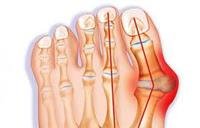

Plantar fasciitis or plantar fasciitis, or what may sometimes be called: plantar fasciitis, or fasciitis (fascial ligament): is an inflammation of the ligament that protects the sole of the foot, which is the fibrous tissue extending from the bottom surface of the foot from the heel It reaches to the toes (connects the heel of the foot to its base), and it is a connective tissue like a bundle that forms from the heel of the foot to reach the front of the foot to be attached to the toes. It has a delicate function as it gives support to the throne as well as distributes weight to the foot while walking. This inflammation is considered one of the most important causes of heel pain, which may turn into thorns or bone protrusions in the heel with the persistence of the problem without treatment.
entrance
The foot is the basis of an erection. And the body with all its activities, movements and weights depends mainly on the foot that is its pillar, and the moving machine for all its parts, and heel pain is one of the most famous and most common foot pains and problems, as some studies indicated that 1 - 2.5% of the world''s population complains of these pains every year . And the ligaments under the bones of the foot are subjected to severe pressure when walking and standing, as they are located under the stiff bones of the foot at the top and the ground at the bottom. In X-rays, some call it the bony spine, which is known by many people as the heel spur. The inflammation begins acute, and if left untreated, it turns into cronic fascities. The bone nail that you see on the X-ray is caused by inflammation in the ligament, not a cause of it.
Symptoms
One of the symptoms that appears on the person is constant pain that accompanies the patient most of the time with episodes of acute pain in the center or sides of the heel. The pain worsens when a person wakes up in the morning and gets out of bed or after resting and sitting for a while and then walking, and gradually the pain subsides, as it may improve during the day But it comes back again, and it is more in women, and the problem may last for six months with treatment, and it may turn into a chronic condition that is difficult to treat. This inflammation causes severe pain to the person and leads to suffering while resting on the heel or on walking. As long as the inflammation lasts, it leads to calcium deposition at the plantar fascia area in the heel, resulting in a "sharp spike" similar to the bump in the heel as seen on x-rays. This bump is a symptom that helps diagnose the condition, but it is not painful because the pain is associated with plantar fasciitis. .
Describe the pain
The pain is often severe, and it may be moderate in intensity on the soles of the feet, especially in the morning when getting out of bed or when getting up from sitting for a short period. This pain occurs as a result of injury to this inner fascial tissue of the foot. If this tissue is stretched or stretched negatively, the inflammation that causes these pain occurs in the soles of the foot and heel, as well as the simple tumor. It is also possible that a partial separation of this bundle from the side of the heel can precipitate in it, which forms the bone spur. The patient feels it when he steps on his heel and is walking. It may be caused by a tear at the center of the plantar fascia or the deep plantar ligaments of the heel bone.