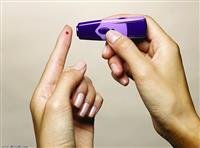
The blessed month of Ramadan is one of the virtuous months in which a Muslim worships God Almighty, and it is an opportunity to provide the work of obedience and avoid sins and evils, and it is also a time that many consider an opportunity to change many habits and behaviors, and I mention here in particular changing the eating and drinking habits and the use of medicines during this holy month, The fasting period for this year is estimated, according to the opinion of weather experts, at approximately 15 hours, and abstaining from food during this long period has an effect on the low level of sugar in the blood, but some diabetics can fast safely if the correct use of medicines is followed and adherence to the advice and instructions related to them. And after consulting the specialist doctor.
With regard to taking tablets to lower the level of sugar in the blood
If your treatment is used once a day, it is recommended to take it at breakfast, but if it is used twice daily, it can be used at breakfast and at dawn, taking into account the larger dose at breakfast if the doses differ to avoid low sugar during the day in Ramadan, but when your treatment is used three times A day or more, you should discuss with your specialist doctor about the possibility of using the treatment twice a day or resorting to other treatment natives that are taken twice a day, and it must be taken into account that there are some drug groups used that lower the level of sugar in the blood as one of its side effects, such as the group (Sulfonylurea) Therefore, caution should be taken of the low level of sugar during the day in Ramadan if the dose is used especially during the pre-dawn meal, and the specialist doctor should discuss the possibility of reducing the dose.
With regard to the use of needles such as insulin needles to reduce the level of sugar in the blood:
If your treatment is used once a day, it is recommended to use it at breakfast, but if it is used twice a day, it can be used at Iftar and at Suhoor, taking into account the use of the larger dose at Iftar if the doses differ according to the quantity and quality of food to avoid a low level of sugar during the day in Ramadan. Your treatment is of the type that should be used three times a day or more, so it should be discussed with your specialist doctor about changing the doses according to the quantity and quality of food, and it should be borne in mind that insulin needles have many types, some of them are fast-acting, long-acting, and mixed between the two types, and in most cases resort to The use of the mixed type during the month of Ramadan, where the same usual morning dose is given at breakfast and half the usual evening dose at the time of dawn, and the fast-acting or extended-release type can be used, according to the instructions of the specialist. Nourishing according to the Standing Committee for Academic Research and Issuing Fatwas, “Fatwas of Medicine and the Sick (Part 1, Page 110)”.
It is advised for diabetics to follow the following instructions
Monitor the blood sugar level more often during the fasting period.
Diabetics should see a specialist doctor to discuss how to make the necessary adjustments to the use of diabetes medicines during the holy month
Adhering to a healthy diet during Ramadan, and consuming foods and drinks without sugar.
Continuing to exercise during the blessed month of Ramadan, and it is recommended that it be after breakfast, in order to avoid a significant in the sugar level during the fasting period.
When the blood sugar level falls below 70 mg / dL, and the symptoms of depression such as hunger, dizziness, tremors, rapid heartbeat, sweating and blurred vision are felt, then the diabetic should stop the fast and eat a sweet-tasting substance immediately.
When the blood sugar level rises from the readings that you are accustomed to and specified by your physician, and you feel symptoms of elevation such as extreme thirst, dry skin, lethargy, and frequent urination, then the diabetic should use a fast-acting diabetes treatment at the dose specified by the doctor according to the level reading Blood sugar.
Blood sugar level disturbances, whether high or low, should be avoided by taking medicines regularly and following the instructions related to diabetes.
Diabetics are advised to hasten breakfast, delay the suhoor, and have a meal in between, to maintain an adequate blood sugar level.
You may need to reduce the doses of some medicines or change the medicines used to other treatment natives. Be sure to see your doctor to discuss this with him. It should be borne in mind that not controlling the level of sugar in the blood leads to serious complications, so the initiative should be taken seriously, and the advice and instructions should be adhered to.