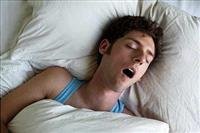
During sleep and hearing impairment Prepared by: Prof. Dr. Ahmed Salem Bahham, Professor of Chest Diseases and Sleep Medicine Sleep apnea is a common disease, signs of which are snoring, suffocation during sleep and increased sleepiness during the day. A recent study presented at the annual conference of the American Thoracic Society in May 2014 examined the relationship of sleep apnea and hearing impairment. Researchers from Albany Medical Center in New York studied about 14,000 people, where they conducted a sleep study and measured the strength of their hearing sense at high frequencies (more than 2000 Hz) and low frequencies (less than 1000 Hz). Researchers have found a close association between respiratory failure, snoring, and hearing impairment at various frequencies. After controlling for various factors that may affect hearing, the researchers found that sleep apnea was associated with an increase in the risk of developing hearing impairment at high frequencies by 31% and at low frequencies by 90%, and with hearing impairment of all frequencies by 38%. The researchers also found that an increase in the severity of respiratory arrest (the number of times the breathing stops per hour) was associated with increased hearing impairment at high frequencies. This study adds new complications caused by sleep apnea, in addition to other proven complications such as increased blood pressure, arteriosclerosis and strokes. Note that the treatment of sleep apnea reduces the risk of complications to a normal level.
This content is for health education and does not replace a consultation with a doctor.