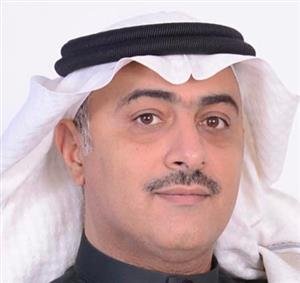

Dr. emphasized the need for more than (4,000) diabetes educators to reach international standards. Al-Jasser: Gulf countries excel globally in high rates of diabetes. Dubai - Abdulrahman Al-Mansour, Dr. Saleh Al-Jasser, Vice Chairman of the Board of Directors of the Saudi Society of Endocrinology and Metabolism, a consultant of endocrinology and diabetes, said that the global studies that search for the spread of diabetes in the world, including the Kingdom, usually come from the World Diabetes Federation, and this union publishes an annual atlas in which it determines the level of diabetes prevalence In each country and the Kingdom, in the latest federal survey published in 2015 AD, which identifies November 14, which coincides with the World Diabetes Day, an atlas appears that identifies these rates in various countries of the world. Dr. Al-Jasser added: The rate of disease prevalence in the Kingdom last year in the age group more than 23 years was about 23.4%, and this rate is high and places the Kingdom among the first ten countries in the world in the rate of disease spread, as we rank seventh in the rate of disease prevalence, but at Review of the first six countries, you find three countries, of which are small, and one of the countries in the Pacific Ocean caused the rise in their genetic factor and their population in the thousands, which is small compared to other countries, but the prevalence rate is high, from the Arab countries, especially the Gulf Emirates, Bahrain and Kuwait, and it comes in the seventh place. The prevalence of diabetes in the Gulf countries is comparable, with 23% and approximately 24% prevalence rates in the age group from 20 to 79. This is for the World Federation. As for the local studies that deal with the prevalence of disease in the Kingdom, there are a number of studies published by the Ministry of Health, but they were comprehensive for many chronic diseases such as obesity, cholesterol and others. Age groups were taken that differed from those taken by the World Diabetes Federation. The category is less than 14 years and less than 20 years and from 20 to 30 years and so on, and the prevalence of the disease ranges from 13% to 14%, which is proportional to the population and includes type 1 and type 2 diabetes.
Dr.. Jamah: perfume stores contribute to the spread of diabetes
As for obesity and its role in injury, Dr. Al-Jasser said that there is a direct ratio between body mass, infection rate and diabetes prevalence. A person with a normal weight has a body mass of less than 25, and from 25 to 30 is considered overweight and over 30 has obesity, the higher the BMi percentage, and the greater the body mass, the higher the likelihood of a person having diabetes, and if the less, the improvement is one of the things that they benefited from in The treatment of obesity with surgeries, where it was found that those who suffer from obesity have had obesity surgeries and the mass rate decreased to the normal range within 80% to 90%, their diabetes disappeared, and this confirms the positive relationship between them. The consultant endocrinologist and diabetes mentions that among the challenges facing health sector workers, especially the educational field, global averages mention that we need a health educator for every (500 patients) and if the Kingdom has more than (2 million) patients or injured, you need more than ( 4,000) diabetes educated people to reach international standards, and the same diabetes educated person, not a healthy person in general. This rate requires intensive courses to graduate diabetes educators, and this step began at King Saud University through the University Hospital more than twenty years ago, and the Ministry of National Guard has taken this idea seriously and established annual educational courses for more than 13 years to graduate diabetes educators, as well as King City Fahd Medical School started about two years ago with annual courses also to graduate health educators, but with these efforts, their numbers are not sufficient to meet the need, so it is necessary to intensify courses and encourage enrollment in these courses, and this is part of the challenges that we usually face in spreading awareness to the injured, as such courses A mission to increase the spread of health awareness among patients, and we hope that it will be intensified by the various health sectors in the Kingdom. The Vice-Chairman of the Board of Directors of the Saudi Society of Endocrinology and Metabolism emphasized the role of the media in supporting the educational aspect in all means of radio, press and television, in addition to the role of social media, and it should be used to raise educational awareness rates. On the one hand, Dr. Anwar Ali Jamah, Associate Professor at the College of Medicine and a Consultant of Endocrinology and Diabetes at the University Medical City at King Saud University, confirmed that the problem of eating and selling herbs and herbal medicines for diabetics is growing, unfortunately, and hospitals suffer from it, and it is believed that one of the most important reasons is the lack of awareness among patients, which is not in general. There are those who turn to it. In addition to the absence of a supervisory authority to govern the current situation, and he adds: Unfortunately, perfume shops that sell these things are widespread, whether through social media or the media. Therefore, it is easy to obtain prescriptions even through publishing and remotely, and unfortunately, the materials that are given to the patient are very harmful and may cause serious problems to the user, and hardly a day passes without a patient affected by such herbal mixtures, and perhaps diabetes is one of the most common diseases for which there is Herbal medicines, with great regret, due to the large number of infected people and the spread of mixtures, where some resort to mixing known medicines with other mixtures until the patient deludes and makes him feel better and the effect of the mixture, but due to the imbalance of proportions and the presence of impurities and unknown materials that may cause many health problems and exacerbate the health situation, and may lead to The life of the patient, God forbid. The endocrinology and diabetes consultant adds that education has a great role to limit the spread of the disease, and one of the most important duties of the media is to increase educational doses through the various available media, and this is not only the role of the media, but also the role of doctors and health practitioners, because health is everyone''s responsibility. Dr. Jamah added that during the past nine years, diabetes medicines have developed in all therapeutic aspects, whether taken orally or injected through the skin, and there are more than one medicine that has proven effective. He adds: There is a great development in this field and one of the latest things in existence is long-acting insulin, which is characterized by ease of taking it daily and less problems of low and irregular blood sugar, and there are other medicines taken orally, which came or will be recently released.