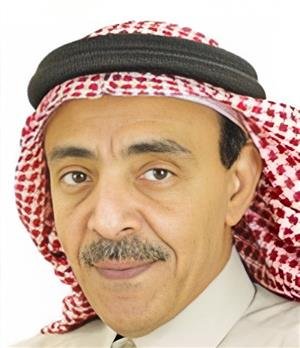

An internal consultant, Dr. Tariq Al-Saqat, warned fasting people from eating large quantities of food during breakfast, pointing out that eating large amounts of food during breakfast may lead to "stomach ache" and feeling full because the stomach before breakfast is relaxed and unable to digest large quantities. From eating all at once, he said, "A small amount of food should be eaten at breakfast, and there should be a time interval between each meal." Al-Saqat stressed the need to increase fluid intake during Ramadan to avoid cases of dehydration. A time when most regions of Saudi Arabia are witnessing high temperatures, which raises the possibility of drought during daylight hours.
Dr. Al-Sakat advised patients who take diuretics to take them in the early hours of the night before constipation for a long time. As for diabetics who use insulin injections, he recommended that those with diabetes review their doctors to determine the amount they need, and said, "Usually, reducing the dose rate is necessary for some patients." During Ramadan. "
To that patients with diabetes should "measure the percentage of sugar in their blood during the day, lest there be a decrease in what leads them to a diabetes attack."