diseases
Eye diseases are many and spread among adults and children, and here we will stand on some of them in our meeting with Dr. Sabah Jastiya, a consultant corneal and cataract diseases at King Khalid Eye Specialist Hospital.
Dr. Sabah is a Saudi woman who is married and is a mother of three. She graduated from King Saud University, College of Medicine, and has many medical partnerships internally and internationally, and is a member of a number of internal and international medical societies as well.
Dr. Sabah "white water" has spread widely among women and men over the age of forty. What are the causes? And its symptoms, how to treat it, and what is "white water" or, as it is said globally, "cataract"?
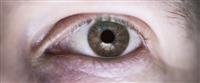
Cataract or cataract is a cataract in the transparent lens of the eye located behind the pupil of the eye .. The eye, like a camera, contains a lens that focuses the incoming light into it to form a clear image of the object seen at the back of the eye. This disease has many causes, including what happens at birth for children or what develops with age for young people. There are also types related to injuries or the use of drugs or s containing cortisone, or diabetes, but the most common causes are advanced age.
As for its symptoms, they are: Blurring of vision, as if there is a cloud or a curtain in front of the eye, but there are other reasons for the lack of clarity of vision that the doctor must show to talk about.
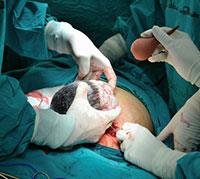
As for the treatment of cataracts, it is either through an excision or withdrawal of cataract with implantation of a lens inside the eye .. It is wrong to think that the patient has to wait until he loses his vision completely before undergoing the operation, so the decision to perform the operation is agreed upon by the doctor .. I must clarify that The procedure may be performed when visual impairment begins to affect the type of work or lifestyle of the person.
I must clarify that most cases of this disease need to put an native lens for the removed lens, but in cases of severe myopia, that is, in some pathological cases, an native lens is not placed.
How is the lens replaced?
When the opaque lens is removed, the light can enter the eye without fear, but the eye cannot focus this light entering the eye without a lens, so after the lens is surgically removed, its function in focusing light must be replaced by another method, and there are three ways to achieve this:
1 The lenses that are implanted inside the eye during the surgery and these lenses ("99%") are safe and see things in their normal size and shape and do not need any care.
2 Contact lenses that are placed on the surface of the eye and see things closer to their normal size, but these lenses need careful and permanent care.
3 Medical glasses and you see things with them larger than their normal size, as they appear closer than they are, and the field of vision through them is limited and central as a result of looking through the middle of the lenses, and you confirm that the attending physician will explain to the patient which of these methods is more appropriate for his condition.
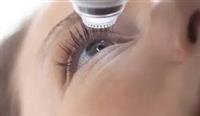
The operation takes from half an hour to an hour, and the eye is covered for one day, and the next day the cover is removed .. The patient is given some s inside the eye that help relieve the minor inflammation that usually occurs after any surgery. The eye returns to normal after a period ranging between 6 and 8 weeks.
And I want to stress that the success rate of this operation is "95%", while the rate of complications is 5%, "and the percentage of serious complications that lead to complete loss of vision is" one in a thousand. "
And I want to warn that the cataract cannot be treated with laser beams or with drugs, and the only treatment is surgery, and the cataract is not water in the well-known concept, rather it is the loss of the lens’s transparency and this disease does not transmit from one eye to another, but it can form in both eyes at the same time.
Dr. Sabah, what are the scratches on the cornea and how are they treated?
Corneal scratches are a scratch on the outer surface of the cornea of the eye, which contains a large number of sensitive nerve endings that cause severe pain to the patient.
Regarding the injury, a specialist ophthalmologist must be consulted to make sure that there is no "bacterial" infection with the scratch, and then the eye is covered, and he exposes it daily until the wound heals.
What are the types of injuries that occur to the eye? How to treat it?
There are foreign bodies: this occurs at home or at work, including: small metal particles «sawdust, dust, small pebbles, shotgun projectiles.
As for its treatment: the injured person is taken to the doctor directly and take into account not to rub the affected eye so as not to push the foreign body to penetrate the surface of the eye and enter a deeper layer inside it, which makes the extraction process more difficult and increases the possibility of greater damage to the eye tissues. The eyes must be protected from entering those foreign bodies by wearing protective glasses when dealing with volatile materials, and taking necessary precautions when handling sand or sawdust.
And there is infection with chemical solutions and powders: those that are used in homes, and alkaline solutions are considered the most dangerous solutions to the eyes, as is the case with other chemical materials such as: corrosive substances (which are used in bathrooms in general), plaster, wet cement, pesticides, paints, and industrial detergents. .
As for the treatment for this condition, the eye should be washed immediately with water for two minutes and the eyelids are open, and if water is not available, use milk or cold milk because if it is not washed immediately, it may cause serious damage to the eye after that, the eye must be examined by an ophthalmologist as soon as possible.
To protect the eyes from infection with chemical solutions, care must be taken and wear protective glasses when dealing with chemicals, especially perishable substances, and these solutions should be kept out of the reach of children to avoid such accidents.
There are also penetrating eye injuries such as: wires, tree thorns, metal and sharp toys, and broken bottles.
Here, the patient should be taken immediately to the emergency department of the nearest hospital, and not to rub the eye and cover it with a hard protective cover.
There are superficial injuries to the eye: such as exposure to welding glow or the wrong use of contact lenses or using the fingers of the hand to rub the eye.
In general, it is necessary to be prevented by wearing protective glasses when using welding tools and not to look directly at the glare of welding or the sun, and it is necessary to be careful when carrying out daily work so as not to cause harm to our eyes.