The liver is the second largest organ in the body and performs several different functions.
The liver processes everything you eat and drink, which it converts into energy and nutrients for your body to use. It filters out harmful substances, such as alcohol, from your blood, and helps your body to fight off infection.
Exposure to viruses or harmful chemicals can harm the liver. When your liver is damaged, you may develop hepatic (liver) failure. In those with liver damage, the liver may eventually stop functioning correctly.
Liver failure is a serious condition. If you develop liver failure, you should receive treatment immediately.
Types of hepatic failure
Liver failure can be either acute or chronic.
Acute liver failure
Acute liver failure strikes fast. You’ll experience loss of liver function within weeks or even days. It may happen suddenly, without showing any symptoms.
Common causes of acute liver failure include poisoning from mushrooms or drug overdose, which can occur from taking too much acetaminophen (Tylenol).
Chronic liver failure
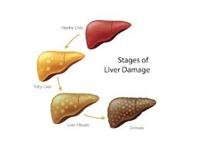
Chronic liver failure develops more slowly that acute liver failure. It can take months or even years before you exhibit any symptoms. Chronic liver failure is often the result of cirrhosis, which is usually caused by long-term alcohol use. Cirrhosis occurs when healthy liver tissue is replaced with scar tissue.
During chronic liver failure, your liver becomes inflamed. This inflammation causes the formation of scar tissue over time. As your body replaces healthy tissue with scar tissue, your liver begins to fail.
There are three types of alcohol-related liver failure
Alcoholic fatty liver disease: Alcoholic fatty liver disease is the result of fat cells deposited in the liver. It generally affects those who drink a lot of alcohol and those who are obese.
Alcoholic hepatitis: Alcoholic hepatitis is characterized by fat cells in the liver, inflammation, and scarring. According to the American Liver Foundation, up to 35 percent of people who drink heavily will develop this condition.
Alcoholic cirrhosis: Alcoholic cirrhosis is considered the most advanced out of the three types. The American Liver Foundation says that some form of cirrhosis affects 10 to 20 percent of people who drink heavily.
Causes of hepatic failure
A variety of causes are associated with liver failure.
Causes associated with acute liver failure
Acute liver failure, also known as fulminant hepatic failure, can occur even if you don’t have a preexisting liver disease.
Acute liver failure may also be caused by
certain prescription medicines
some herbal supplements
viral infections, such as hepatitis, including hepatitis A, B, and C
toxins
certain autoimmune diseases
Acute liver failure can be genetic, passed along by an abnormal gene from one or both of your parents. If you have a genetic liver disease, you’re more susceptible to liver failure.
Causes associated with chronic liver failure
Chronic liver failure is usually a result of cirrhosis or alcohol-related liver disease (ARLD). The American Liver Foundation states that alcoholism is the most common cause of cirrhosis in the United States.
Usually, your liver breaks down any alcohol that you consume. But if you drink too much, your liver can’t break down the alcohol fast enough. Also, toxic chemicals in alcohol can trigger inflammation in your liver and cause your liver to swell. Over time, this damage can lead to cirrhosis.
If you have hepatitis C, you’re at greater risk of developing chronic liver failure or cirrhosis. The hepatitis C virus is spread through the blood. If the blood from a person with the infection enters your body, you can catch it. Needle sharing and using dirty needles for tattoos or piercings can spread hepatitis C.
According to the American Liver Foundation, around 25 percent of people in the United States with chronic hepatitis C develop cirrhosis. It’s the second leading cause of cirrhosis in the country.
Unknown causes
It’s also possible to develop liver failure without an identifiable cause.
Acute liver failure may also be caused by
certain prescription medicines
some herbal supplements
viral infections, such as hepatitis, including hepatitis A, B, and C
toxins
certain autoimmune diseases
Acute liver failure can be genetic, passed along by an abnormal gene from one or both of your parents. If you have a genetic liver disease, you’re more susceptible to liver failure.
Causes associated with chronic liver failure
Chronic liver failure is usually a result of cirrhosis or alcohol-related liver disease (ARLD). The American Liver Foundation states that alcoholism is the most common cause of cirrhosis in the United States.
Usually, your liver breaks down any alcohol that you consume. But if you drink too much, your liver can’t break down the alcohol fast enough. Also, toxic chemicals in alcohol can trigger inflammation in your liver and cause your liver to swell. Over time, this damage can lead to cirrhosis.
If you have hepatitis C, you’re at greater risk of developing chronic liver failure or cirrhosis. The hepatitis C virus is spread through the blood. If the blood from a person with the infection enters your body, you can catch it. Needle sharing and using dirty needles for tattoos or piercings can spread hepatitis C.
According to the American Liver Foundation, around 25 percent of people in the United States with chronic hepatitis C develop cirrhosis. It’s the second leading cause of cirrhosis in the country.
Unknown causes
It’s also possible to develop liver failure without an identifiable cause.