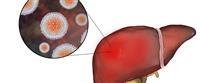
Infections, alcohol abuse, and genetics can all lead to liver disease and damage. Liver failure happens when your liver can’t work well enough to perform its many vital functions, such as producing bile to help you digest food and clearing your blood of toxic substances.
Liver failure can be a life-threatening emergency. It can be either acute or chronic. Acute liver failure comes on quickly, while chronic liver failure occurs gradually over time.
Damage to your liver can accumulate through several stages. Each stage progressively affects your liver’s ability to function properly. Continue reading to learn more about liver failure and its different stages.
Liver failure vs. liver disease
It’s important to distinguish between liver disease and liver failure.
Liver disease refers to any condition that causes inflammation or damage to your liver. Liver disease can affect the overall function of your liver.
Liver failure is when your liver has lost some or all of its functionality. It can occur due to the damage that’s caused by liver disease.
Stages of liver failure
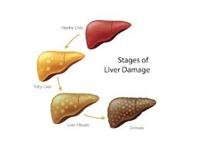
Damage from liver disease can accrue in several stages, which increasingly affect your liver’s ability to function.
Inflammation
In this early stage, your liver becomes enlarged or inflamed. Many people with liver inflammation don’t experience symptoms. If the inflammation continues, permanent damage can occur.
Fibrosis
Fibrosis happens when an inflamed liver begins to scar.
The scar tissue that’s generated in this stage takes the place of healthy liver tissue, yet the scarred tissue can’t perform the same functions. This can start to affect your liver’s ability to function optimally.
Fibrosis can be hard to detect because symptoms aren’t often present
Cirrhosis
In the cirrhosis stage, severe scarring has built up on your liver. Because there’s even less healthy liver tissue, it becomes very difficult for your liver to function properly.
While symptoms may not have been present before, you may now begin to experience symptoms of liver disease.
End-stage liver disease (ESLD)
People with ESLD have cirrhosis in which liver function has deteriorated dramatically.
ESLD is associated with complications such as ascites and hepatic encephalopathy. It can’t be reversed with treatments other than a liver transplant.
Liver cancer
Cancer is the development and multiplication of unhealthy cells. When cancer develops in the liver, it’s called primary liver cancer.
Although it can occur at any stage of liver failure, people with cirrhosis are at an increased riskTrusted Source for developing liver cancer.
Some common symptoms of liver cancer include
unexplained weight loss
abdominal pain or swelling
loss of appetite or feeling full after eating a small amount of food
nausea or vomiting
yellowing of the skin and eyes (jaundice)
skin itching
Causes of liver failure
The cause of liver failure can depend on the type of liver failure — acute or chronic.
Causes of acute liver failure
Acute liver failure occurs rapidly. It can be caused by a variety of things, although in some cases, the exact cause may be unknown. Some possible causes include:
viral infections, such as hepatitis A, B, or E
overdose of acetaminophen (Tylenol)
reactions to prescription medications such as antibiotics, NSAIDs, or anti-epileptic drugs
reactions to herbal supplements, such as ma huang and kava kava
metabolic conditions, such as Wilson’s disease
autoimmune conditions, such as autoimmune hepatitis
conditions that affect the veins of the liver, such as Budd-Chiari syndrome
exposure to toxins, such as those found in industrial chemicals or poisonous wild mushrooms
Causes of chronic liver failure
Chronic liver failure occurs due to liver damage that develops slowly over time. This can lead to cirrhosis, in which the large amount of scar tissue on your liver prevents the organ from functioning properly.
Some examples of possible causes of cirrhosis include
chronic hepatitis B or C infection
alcohol-related liver disease
nonalcoholic fatty liver disease
autoimmune hepatitis
diseases that affect your bile ducts, such as cholangitis
Symptoms of acute liver failure
Acute liver failure often occurs in people who don’t have a preexisting liver condition. It’s a medical emergency, and people experiencing symptoms consistent with acute liver failure should seek medical attention immediately.
The symptoms of acute liver failure can include
feeling unwell (malaise)
feeling tired or sleepy
nausea or vomiting
abdominal pain or swelling
yellowing of the skin and eyes (jaundice)
feeling confused or disoriented
Symptoms of chronic liver failure
The symptoms of chronic liver failure can be broken down into early symptoms and more advanced symptoms. The early symptoms of chronic liver failure may include:
feeling tired or fatigued
loss of appetite
nausea or vomiting
mild abdominal discomfort or pain
Some symptoms that can indicate the advanced stages of chronic liver failure include
yellowing of the skin and eyes (jaundice)
easy bruising or bleeding
feeling confused or disoriented
buildup of fluid in your abdomen, arms, or legs
darkening of your urine
severe skin itching
What Are the Stages of Liver Failure?
Failure vs. disease
Stages
Causes
Acute liver failure symptoms
Chronic liver failure symptoms
Diagnosis
Treatment
Prevention
Outlook
Infections, alcohol abuse, and genetics can all lead to liver disease and damage. Liver failure happens when your liver can’t work well enough to perform its many vital functions, such as producing bile to help you digest food and clearing your blood of toxic substances.
Liver failure can be a life-threatening emergency. It can be either acute or chronic. Acute liver failure comes on quickly, while chronic liver failure occurs gradually over time.
Damage to your liver can accumulate through several stages. Each stage progressively affects your liver’s ability to function properly. Continue reading to learn more about liver failure and its different stages.
Stages of liver failure
Inflammation. In this early stage, the liver is enlarged or inflamed.
Fibrosis. Scar tissue begins to replace healthy tissue in the inflamed liver.
Cirrhosis. Severe scarring has built up, making it difficult for the liver to function properly.
End-stage liver disease (ESLD). Liver function has deteriorated to the point where the damage can’t be reversed other than with a liver transplant.
Liver cancer. The development and multiplication of unhealthy cells in the liver can occur at any stage of liver failure, although people with cirrhosis are more at risk.
Liver failure vs. liver disease
It’s important to distinguish between liver disease and liver failure.
Liver disease refers to any condition that causes inflammation or damage to your liver. Liver disease can affect the overall function of your liver.
Liver failure is when your liver has lost some or all of its functionality. It can occur due to the damage that’s caused by liver disease.
Stages of liver failure
Damage from liver disease can accrue in several stages, which increasingly affect your liver’s ability to function.
Inflammation
In this early stage, your liver becomes enlarged or inflamed. Many people with liver inflammation don’t experience symptoms. If the inflammation continues, permanent damage can occur.
Fibrosis
Fibrosis happens when an inflamed liver begins to scar.
The scar tissue that’s generated in this stage takes the place of healthy liver tissue, yet the scarred tissue can’t perform the same functions. This can start to affect your liver’s ability to function optimally.
Fibrosis can be hard to detect because symptoms aren’t often present.
Cirrhosis
In the cirrhosis stage, severe scarring has built up on your liver. Because there’s even less healthy liver tissue, it becomes very difficult for your liver to function properly.
While symptoms may not have been present before, you may now begin to experience symptoms of liver disease.
End-stage liver disease (ESLD)
People with ESLD have cirrhosis in which liver function has deteriorated dramatically.
ESLD is associated with complications such as ascites and hepatic encephalopathy. It can’t be reversed with treatments other than a liver transplant.
Liver cancer
Cancer is the development and multiplication of unhealthy cells. When cancer develops in the liver, it’s called primary liver cancer.
Although it can occur at any stage of liver failure, people with cirrhosis are at an increased riskTrusted Source for developing liver cancer.
Some common symptoms of liver cancer include
unexplained weight loss
abdominal pain or swelling
loss of appetite or feeling full after eating a small amount of food
nausea or vomiting
yellowing of the skin and eyes (jaundice)
skin itching
Causes of liver failure
The cause of liver failure can depend on the type of liver failure — acute or chronic.
Causes of acute liver failure
Acute liver failure occurs rapidly. It can be caused by a variety of things, although in some cases, the exact cause may be unknown. Some possible causes include:
viral infections, such as hepatitis A, B, or E
overdose of acetaminophen (Tylenol)
reactions to prescription medications such as antibiotics, NSAIDs, or anti-epileptic drugs
reactions to herbal supplements, such as ma huang and kava kava
metabolic conditions, such as Wilson’s disease
autoimmune conditions, such as autoimmune hepatitis
conditions that affect the veins of the liver, such as Budd-Chiari syndrome
exposure to toxins, such as those found in industrial chemicals or poisonous wild mushrooms
Causes of chronic liver failure
Chronic liver failure occurs due to liver damage that develops slowly over time. This can lead to cirrhosis, in which the large amount of scar tissue on your liver prevents the organ from functioning properly.
Some examples of possible causes of cirrhosis include
chronic hepatitis B or C infection
alcohol-related liver disease
nonalcoholic fatty liver disease
autoimmune hepatitis
diseases that affect your bile ducts, such as cholangitis
Symptoms of acute liver failure
Acute liver failure often occurs in people who don’t have a preexisting liver condition. It’s a medical emergency, and people experiencing symptoms consistent with acute liver failure should seek medical attention immediately.
The symptoms of acute liver failure can include
feeling unwell (malaise)
feeling tired or sleepy
nausea or vomiting
abdominal pain or swelling
yellowing of the skin and eyes (jaundice)
feeling confused or disoriented
Symptoms of chronic liver failure
The symptoms of chronic liver failure can be broken down into early symptoms and more advanced symptoms. The early symptoms of chronic liver failure may include:
feeling tired or fatigued
loss of appetite
nausea or vomiting
mild abdominal discomfort or pain
Some symptoms that can indicate the advanced stages of chronic liver failure include
yellowing of the skin and eyes (jaundice)
easy bruising or bleeding
feeling confused or disoriented
buildup of fluid in your abdomen, arms, or legs
darkening of your urine
severe skin itching
Diagnosing liver failure
To diagnose liver failure, your doctor will start by taking your medical history and performing a physical examination. They may then perform a variety of additional tests, including:
Liver blood tests. Liver blood tests assess the levels of various proteins and enzymes in your blood that can be an indicator of your liver functions.
Other blood tests. Your doctor may also perform a complete blood count (CBC) or test for viral hepatitis or genetic conditi