Heart disease is a catch-all phrase for a variety of conditions that affect the heart’s structure and function. Coronary heart disease is a type of heart disease that develops when the arteries of the heart cannot deliver enough oxygen-rich blood to the heart. It is the leading cause of death in the United States.
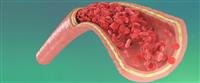
Coronary heart disease is often caused by the buildup of plaque, a waxy substance, inside the lining of larger coronary arteries. This buildup can partially or totally block blood flow in the large arteries of the heart. Some types of this condition may be caused by disease or injury affecting how the arteries work in the heart. Coronary microvascular disease is another type of coronary heart disease. It occurs when the heart’s tiny blood vessels do not work normally.
Symptoms of coronary heart disease may be different from person to person even if they have the same type of coronary heart disease. However, because many people have no symptoms, they do not know they have coronary heart disease until they have chest pain, a heart attack, or sudden cardiac arrest.
If you have coronary heart disease, your doctor will recommend heart-healthy lifestyle changes, medicines, surgery, or a combination of these approaches to treat your condition and prevent complications.
Explore this Health Topic to learn more about coronary heart disease, our role in research and clinical trials to improve health, and where to find more information.
Causes
There are three main types of coronary heart disease: obstructive coronary artery disease, nonobstructive coronary artery disease, and coronary microvascular disease. Coronary artery disease affects the large arteries on the surface of the heart. Many people have both obstructive and nonobstructive forms of this disease. Coronary microvascular disease affects the tiny arteries in the heart muscle.
The cause depends on the type of coronary heart disease. The condition may also have more than one cause, including plaque buildup or problems that affect how the heart’s blood vessels work.
Risk Factors - Coronary Heart Disease
There are many risk factors for coronary heart disease. Your risk of coronary heart disease goes up with the number of risk factors you have and how serious they are. Some risk factors—such as high blood pressure and high blood cholesterol—can be changed through heart-healthy lifestyle changes. Other risk factors, such as sex, older age, family history and genetics, and race and ethnicity, cannot be changed.
Age
Coronary Heart Disease
Environment and occupation
Coronary Heart Disease
Air pollution in the environment can put you at higher risk of coronary heart disease. The increase in risk may be higher in older adults, women, and people who have diabetes or obesity. Air pollution may cause or worsen other conditions, such as atherosclerosis and high blood pressure, which are known to increase your risk for coronary heart disease.
Your work life can also raise your risk if you
Come into contact with toxins, radiation, or other hazards
Have a lot of stress at work
Sit for long periods
Work more than 55 hours a week, or work long, irregular, or night shifts that affect your sleep
Lifestyle habits
Coronary Heart Disease
Over time, unhealthy lifestyle habits increase your risk of coronary heart disease because they can lead to plaque buildup in the heart’s blood vessels. Unhealthy lifestyle habits that are risk factors include the following:
Being physically inactive, which can worsen other heart disease risk factors, such as high blood cholesterol and triglyceride levels, high blood pressure, diabetes and prediabetes, and overweight and obesity.
Not getting enough good quality sleep, including waking up often throughout the night, which may raise your risk of coronary heart disease. While you sleep, your blood pressure and heart rate fall. Your heart does not work as hard as it does when you are awake. As you begin to wake up, your blood pressure and heart rate increase to the usual levels when you are awake and relaxed. Waking up suddenly can cause a sharp increase in blood pressure and heart rate, which has been linked to angina and heart attacks. Learn more in our How Sleep Works topic.
Smoking tobacco or long-term exposure to secondhand smoke, which can damage the blood vessels.
Stress, which can trigger the tightening of your arteries, which increases your risk of coronary heart disease, especially coronary microvascular disease. Stress may also indirectly raise your risk of coronary heart disease if it makes you more likely to smoke or overeat foods high in fat and added sugars.
Unhealthy eating patterns, such as consuming high amounts of saturated fats or trans fats and refined carbohydrates (white bread, pasta, and white rice). This can lead to overweight and obesity, high blood cholesterol, atherosclerosis, and plaque buildup in the heart’s arteries.
Signs and symptoms
Coronary Heart Disease
An acute coronary event, such as a heart attack, may cause the following symptoms
Angina, which can feel like pressure, squeezing, burning, or tightness during physical activity. The pain or discomfort usually starts behind the breastbone, but it can also occur in the arms, shoulders, jaw, throat, or back. The pain may feel like indigestion.
Cold sweats
Dizziness
Light-headedness
Nausea or a feeling of indigestion
Neck pain
Shortness of breath, especially with activity
Sleep disturbances
Weakness
Women are somewhat less likely than men to experience chest pain. Instead, they are more likely to experience:
Dizziness
Fatigue
Nausea
Pressure or tightness in the chest
Stomach pain
Women are also more likely than men to have no symptoms of coronary heart disease.
Chronic (long-term) coronary heart disease can cause symptoms such as the following
Angina
Shortness of breath with physical activity
Fatigue
Neck pain
The symptoms may get worse as the buildup of plaque continues to narrow the coronary arteries. Chest pain or discomfort that does not go away or happens more often or while you are resting might be a sign of a heart attack. If you do not know whether your chest pain is angina or a heart attack, call 9-1-1 right away. All chest pain should be checked by a doctor.
Complications
Coronary Heart Disease
Coronary heart disease can cause serious complications, including the following
Acute coronary syndrome, including angina or heart attack
Arrhythmia
Heart failure
Cardiogenic shock
Sudden cardiac arrest
Complications of coronary heart disease can be life-threatening and may lead to disability.
Diagnostic tests and procedures
Coronary Heart Disease
To diagnose coronary heart disease, your doctor may order some of the following tests.
Blood tests to check the levels of cholesterol, triglycerides, sugar, lipoproteins, or proteins, such as C-reactive protein, that are a sign of inflammation.
Electrocardiogram (EKG or ECG) to determine whether the heart’s rhythm is steady or irregular. An EKG also records the strength and timing of electrical signals as they pass through the heart.
Coronary calcium scan to measure the amount of calcium in the walls of your coronary arteries. Buildup of calcium can be a sign of atherosclerosis, coronary artery disease, or coronary microvascular disease. This test is a type of cardiac CT scan. Coronary calcium scans can also help assess coronary heart disease risk for people who smoke or for people who do not have heart symptoms.
Stress tests to check how your heart works during physical stress. During stress testing, you walk or run on a treadmill or pedal a stationary bike to make your heart work hard and beat fast. If you have a medical problem that prevents you from exercising, your doctor may give you medicine to make your heart work hard, as it would during exercise. To detect reduced blood flow to your heart muscle, while you exercise you will be monitored by ECG and possibly echocardiogram or a CT scan.
Cardiac MRI (magnetic resonance imaging) to detect tissue damage or problems with blood flow in the heart or coronary arteries. It can help your doctor diagnose coronary microvascular disease or nonobstructive or obstructive coronary artery disease. Cardiac MRI can help explain results from other imaging tests such as chest X-rays and CT scans.
Cardiac positron emission tomography (PET) scanning to assess blood flow through the small coronary blood vessels and into the heart tissues. This is a type of nuclear heart scan that can diagnose coronary microvascular disease.
Coronary angiography to show the insides of your coronary arteries. To get the dye into your coronary arteries, your doctor will use a procedure called cardiac catheterization. This procedure is often used if other tests show that you are likely to have coronary artery disease. To diagnose coronary microvascular disease, your doctor will use coronary angiography with guidewire technology. A guidewire with sensors is ed into the heart’s arteries. The sensors measure how easily blood flows through the small vessels. Usually, measurements are done before and after giving you medicine to enhance blood flow in your heart.
Coronary computed tomographic angiography to show the insides of your coronary arteries rather than an invasive cardiac catheterization. It is a noninvasive imaging test using CT scanning.
If you have coronary heart disease risk factors, your doctor may recommend diagnostic tests even if you do not have symptoms.
Nonobstructive coronary artery disease and coronary microvascular disease can be missed because patients or doctors may not recognize the warning signs. Diagnosing these types often requires more invasive tests or specialized tests, such as cardiac PET scans, that are not widely available.
Heart-healthy lifestyle changes
Coronary Heart Disease
Your doctor may recommend that you adopt lifelong heart-healthy lifestyle changes, including:
Aiming for a healthy weight. Losing just 3% to 5% of your current weight can help you manage some coronary heart disease risk factors, such as high blood cholesterol and diabetes. Greater amounts of weight loss can also improve blood pressure readings.
Being physically active. Routine physical activity can help manage coronary heart disease risk factors such as high blood cholesterol, high blood pressure, or overweight and obesity. Before starting any exercise program, ask your doctor what level of physical activity is right for you.
Heart-healthy eating, such as the DASH (Dietary Approaches to Stop Hypertension) eating plan. A heart-healthy eating plan includes fruits, vegetables, and whole grains and limits saturated fats, trans fats, sodium (salt), added sugars, and alcohol.
Managing stress. Learning how to manage stress, relax, and cope with problems can improve your emotional and physical health.
Quitting smoking. Visit Smoking and Your Heart and the National Heart, Lung, and Blood Institute''s Your Guide to a Healthy Heart. Although these resources focus on heart health, they include basic information about how to quit smoking. For free help and support to quit smoking, you can call the National Cancer Institute''s Smoking Quitline at 1-877-44U-QUIT (1-877-448-7848). Talk to your doctor if you vape. There is scientific evidence that nicotine and flavorings found in vaping products may damage your heart and lungs.
Get enough good-quality sleep. The recommended amount for adults is 7 to 9 hours of sleep a day.
Medicines
Coronary Heart Disease
Your doctor may recommend medicines to manage your risk factors or treat underlying causes of coronary heart disease. Some medicines can reduce or prevent chest pain an