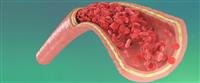
Cardiac catheterization aims to open the coronary blood vessels that supply the heart muscle with the blood necessary to perform its function properly, in the event that it suffers from some disorders that cause narrowing or blockage in it, such as: atherosclerosis. Cardiac catheterization is also performed to diagnose vascular diseases and relieve chest pain
In cases that do not respond to other treatment methods, repairing a congenital heart defect, and accurately measuring blood pressure in the heart, main arteries and lungs.
Risks of performing the operation
Cardiac catheterization is associated with some risks, such as the following
Infection in the surgical incision.
bleeding.
Scars at the incision site.
Hypersensitivity to the anesthetics or dye used.
Damage to the blood vessels in the heart.
Heart rhythm disturbances.
prior to the operation
The patient is sent for a set of tests, such as: complete blood count, blood chemistry, coagulation functions, kidney and liver functions, and echocardiography to evaluate the performance of the heart.
The doctor should be consulted about the medications that should be stopped in the days preceding the operation, and the patient should fast for a full 8 hours before the operation.
during the procedure
After determining the area of entry into the blood vessels, usually in the area of the femoral artery or the radial artery, cardiac catheterization is performed as follows:
Sterilize the incision area well, then a long, thin tube into the blood vessels.
Passing the tube through the main blood vessels to the origin of the coronary blood vessels in the heart, with the help of angiography for monitoring.
Injection of a specific dye that is distributed in the blood vessels homogeneously, which shows the areas where there is improper flow due to narrowing or blockage in the blood vessels.
Choosing the appropriate treatment for the patient’s condition, as it is possible to expand the blood vessels by inflating a small balloon, or ing a stent that helps keep the blood vessels open.
Take the tube out through the incision, then suture it and put a bandage over it.
Post-surgery
After the therapeutic cardiac catheterization, the patient is kept under medical supervision, and usually stays in the hospital for several days, while there is no need to stay in the hospital if the catheterization is diagnostic.
The bandage is removed from the surgical incision several days after the operation, and there may be local bleeding that goes away automatically after several days, and pain relievers can be used as needed.
You should go to the doctor quickly in the event of some problems, such as: a sudden rise in temperature, a in blood pressure, shortness of breath, urinary retention, severe bleeding, and severe pain.
It is possible to return to daily activities after a therapeutic cardiac catheterization procedure gradually, and the doctor often prescribes some medications and anticoagulant medications to prevent the formation of another blockage in the blood vessels in the future.