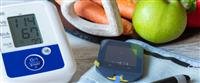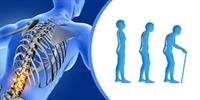

When we talk about the heart, we mean the only pump of blood for all parts of the body, and heart disease is one of the common diseases around which many questions are raised, especially with the month of Ramadan, so does the fasting of a heart patient cause any harm? Is it necessary for a heart patient to take precautions and advice the treating physician?
Family Medicine Consultant Dr. Ashraf Abdel Qayyum Amir says: Fasting mostly does not affect heart patients who are in a stable condition and who do not suffer from recurrent symptoms such as chest pain and shortness of breath, and vice versa, fasting may be positive for them because it reduces the amounts of eating and smoking and relieves stress, which contributes to Alleviate the suffering for them, and it is preferable for the heart patient to consult his own doctor about the possibility of fasting.
Ashraf does not recommend fasting for those who were newly diagnosed as heart patients, and those who suffer from severe heart failure because they need to drink large quantities of fluids, and it is also not recommended to fast for those who suffer from recurrent diseases such as shortness of breath or chronic diseases such as diabetes and high blood pressure, and patients Those who are required to take medication during the day, and who suffer from heart diseases after undergoing surgery, especially during the first six weeks after the operation.
Fasting must be stopped immediately if the patient notices a deterioration in health, or a sharp increase in blood pressure occurs, or symptoms such as dizziness and dizziness appear. The family medicine consultant stated that if the patient decides to fast, the salt in food should be reduced, and it is preferable to completely dispense with it, and not to take blood pressure medication immediately after breakfast.