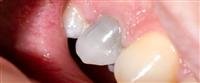
Periodontitis is a severe form of periodontitis that occurs when gingivitis extends to the anatomical structures that hold the tooth in place.
At first, bacterial plaque and calculus build up between the teeth and gums and then spread to the bones under the teeth.
This causes the gums to swell and bleed, breath becomes foul, and the teeth become loose.
The dentist can take x-rays and measure the depth of the periodontal pocket to estimate the severity of periodontitis.
The condition often requires frequent professional dental cleanings in the doctor''s office, and sometimes periodontal surgery and antibiotics prescribed to the patient.
Periodontitis occurs more frequently in predisposed groups of patients. There are many conditions and disorders that predispose to periodontitis, including diabetes mellitus (particularly type 1 diabetes), Down syndrome, Crohn''s disease, low white blood cell count, and AIDS. The periodontitis of the teeth in AIDS patients is characterized by its rapid progression and development. Smoking, vitamin C deficiency (scurvy), emotional disturbances, and sometimes obesity are also risk factors for periodontitis.
Periodontitis can affect people of all ages, including young children. At the same time, some patients may have severe cases of gingivitis that may last for many years without developing into periodontitis. While other patients can develop periodontitis without first developing periodontitis, this occurs more often in the age group of 20 to 30 years.
Periodontitis is one of the main causes of tooth loss in adults, and the leading cause of tooth loss in older adults. The infection erodes the alveolar bone that houses the teeth and keeps them in place. This wear weakens the dental alveolar ligaments and leads to loosening of the teeth. Eventually, the affected tooth may need to be extracted, or it may fall out on its own.
Causes of periodontitis
Periodontitis is often the result of gingivitis and the long-term buildup of bacterial plaque (a thin substance made up mainly of bacteria) and calculus (hardened calc) on the teeth and gums. Pockets form between the teeth and gums and extend downward between the root of the tooth and the surrounding bony walls. Within these pockets, bacterial plaque accumulates in an oxygen-free medium, providing a fertile environment for the growth of very aggressive forms of bacteria, especially in patients with immune problems. Plaque and bacteria cause chronic inflammation that destroys the tissue and bone that hold teeth in place. If the disease is not treated, it will lead to a large loss of bone, and thus the teeth will become loose and may become painful, and the gums will recede. Tooth loss most often begins in your 40s.
The rate of development of periodontitis varies greatly between patients, even in patients with similar levels of calculus. These differences are attributed to the different types and numbers of bacterial colonies within the bacterial plaque on the one hand, and because the periodontitis occurs due to the specific response of the patient''s immune system to that plaque. Periodontitis can cause bouts of disruptive activity that last for months, followed by periods of remission in which no further damage to the periodontal tissue occurs.
Symptoms of periodontitis
Early symptoms of periodontitis include tenderness, swelling, bleeding, and red gums, as well as bad breath (halitosis). As more bone is lost, the teeth loosen and shift, and chewing becomes a painful process. Often, periodontitis causes the front teeth to tilt outward. Periodontitis usually causes no pain, unless an infection develops, such as a collection of pus in the periodontal pocket (a periodontal abscess), a tooth so loose that it moves during chewing, or periodontitis caused by HIV infection acquired (AIDS).
periodontitis
periodontitis
CNRI/SCIENCE PHOTO LIBRARY
Diagnosis of periodontitis
Direct examination by a dentist
Sometimes x-rays
To diagnose periodontitis, the dentist examines the teeth and measures the depth of the periodontal pockets with a special probe. The dentist also takes x-rays to see the extent of bone tissue loss.
Treatment of periodontitis
Treating risk factors
Professional dental cleaning in the doctor''s office
It may sometimes require periodontal surgery or the extraction of some teeth
Sometimes prescribed antibiotics
If there are factors that increase the risk of periodontitis, such as poor oral care, diabetes, or smoking, those risk factors should be treated as well. Whereas, treating these risk factors increases the chances of success in periodontitis treatment.
Unlike gingivitis, which usually resolves with better oral care (daily brushing and flossing), periodontitis requires professional treatment by a dentist. People with good oral health can only brush 2-3 mm below the gum line. Whereas, the dentist can clean the periodontal pockets that reach a depth of 6-7 mm, using the scraping and root leveling technique, which removes the bacterial plaque completely and treats the affected tooth root surfaces.
For pockets 7 millimeters or more deep, they often require surgery. The general dentist or periodontist can perform this process by making an incision that enables him to reach the lining of the gums under the neck of the tooth (gingival segment). The doctor then cleans the tooth and its root from any plaque buildup, and may also trim and level the bone under the gum (sometimes a bone graft may be required), and then the doctor will put the gum slice back in place and sew it up. The doctor may also remove part of the affected gums so that the remaining gum tissues return to adhere to the teeth tightly. Sometimes, treating the condition may require some teeth to be extracted. If the patient feels pain in the mouth after surgery, a mouthwash containing chlorhexidine can be used and gargled for 1 minute twice a day, and this may be a temporary native to brushing and flossing the teeth until the surgical cut recovers.
A dentist can prescribe antibiotics (such as amoxicillin or metronidazole), especially if periodontal abscesses form. The dentist may also use medicinal materials (in the form of threads or gels) that contain antibacterials deep into the periodontal pockets, allowing the drug to penetrate into the affected area. Periodontal abscesses can cause virulence of bone destruction, but prompt treatment with surgery and antibiotics may allow much of the lost bone tissue to be restored.