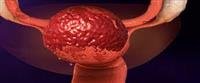
A molar pregnancy that occurs as a result of a genetic error during the fertilization process, and is similar to a tumor, and may turn into one of the rare types of cancer.
Causes of a molar pregnancy, its symptoms, and the need to remove it because of its danger and the inability to turn it into a healthy pregnancy, in addition to its treatment, methods and procedures for getting rid of it.
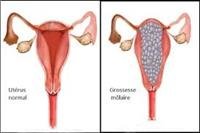
During a normal pregnancy, the placenta grows inside the uterus and the fetus is nourished through the umbilical cord. In a molar pregnancy, an abnormal development of pregnancy occurs, where abnormal tissues of cells grow in the uterus instead of the placenta, and these tissues are cysts similar to vesicles, and pregnancy is more like It is a tumor and has the appearance of a large, random group of grape-like cell clusters. The growth of these tissues in a molar pregnancy is rapid compared to the growth of the normal fetus and this tumor can turn into a rare type of cancer, and the doctor must monitor the development of this pregnancy, and perform the process of cleaning the uterus as soon as possible. Causes: Normal human cells contain 23 pairs of chromosomes (half from the mother and one from the father). A molar pregnancy is caused by a genetic error (chromosomal abnormality) during fertilization, usually when an egg without genetic information is fertilized by a sperm (complete molar pregnancy), or when a normal egg is fertilized by two sperms (a molar pregnancy) partial cluster). When this happens, the fertilized egg cannot survive. It usually dies a few weeks after conception. Types of molar pregnancy: Complete molar pregnancy: This type occurs when an empty egg is fertilized with one or two sperm, and all the genes are from the father, so there is no fetus and an abnormal placenta is formed. Partial or incomplete molar pregnancy: In this type, the mother''s chromosomes remain, but the father provides two sets of chromosomes. As a result, the fetus carries 69 chromosomes instead of 46. This often happens when two sperms fertilize an egg, resulting in an extra copy of the father''s genes so both the placenta and the fetus (fertilized egg) are abnormal. Risk factors: Age: The risk of a molar pregnancy increases in women older than 35 years or younger than 20 years. The risk of infection increases with age. Previous molar pregnancy: If you''ve had a molar pregnancy, the chance of it happening again increases.
A family history of a molar pregnancy: There have been rare cases of women in the same family having one or more molar pregnancies. Nutrition/Diet: Some studies have linked low levels of carotene and vitamin A in the diet to an increased risk of a molar pregnancy. Blood type: Certain blood groups - A and AB - may slightly increase the risk of a molar pregnancy. Symptoms: A molar pregnancy may initially resemble a normal pregnancy, but over time, the woman may complain of the following: - Bleeding from the vagina or dark secretions in the first trimester of pregnancy: You may notice vaginal bleeding that ranges in color from bright red to dark brown, and may contain This bleeding or discharge is on small grape-like lumps. Severe or frequent vomiting and nausea. Pelvic pressure or pain. - Hypertension. If you experience any signs or symptoms of a molar pregnancy, see your doctor. It may detect other signs of a molar pregnancy, such as: rapid uterine growth where the uterus is too large for the stage of pregnancy, high blood pressure or preeclampsia, ovarian cysts, anemia, and hyperthyroidism. Treatment: - There is no possibility that a molar pregnancy will turn into a healthy pregnancy, so the molar pregnancy must be removed as soon as possible. The pregnancy is removed by surgery, which can be performed under local or general anesthesia. The duration of the surgery is short, lasting no more than 15 to 30 minutes. The operation is performed through the vagina and does not require an abdominal incision. In the event that the tissue volume is large, and the woman does not have the desire to have children, the entire uterus can be removed. After the surgery, the level of the pregnancy hormone in the blood is monitored, to make sure that the tissues have been completely removed. - After the level of the hormone returns to the normal level, follow-up continues for half a year and up to a year. ** In a small number of molar pregnancies, there may be some tissue left after the operation that can be treated with medications such as methotrexate, which stops the rapid growth of tissues.