
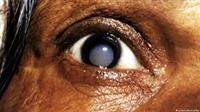
What is a cataract?
A cataract is a clouding of the lens of the eye, which is normally clear. This clouding impairs vision, and its degree and pattern within the lens of the eye may vary from person to person
Do you know the warning signs of a stroke?
Recognizing the early warning signs and symptoms can save your life.
Click here to find out more
What are the symptoms of cataract?
Cataract disease is a normal change in the eye as a result of aging, and often the membrane forms slowly and causes some symptoms that include:
Blurry, blurred or dim vision
Slight sensitivity to light or glare (especially to car lights when driving at night)
The need to change glasses (sudden nearsightedness)
Double vision in one eye
The need for stronger light when reading
Poor vision at night
A change in the way you see colors, especially yellow
What are the causes of cataract disease?
The eye is very similar to a camera. Light rays enter through the front of the eye, pass through the cornea, pupil, and aqueous humor (i.e., the colorless fluid at the front of the eye) to reach the lens of the eye. The lens refracts light rays to focus objects on the retina at the back of the eye. Next, the retina, optic nerve, and brain process the images until vision is formed.
Cataract disease results from the accumulation of proteins in the lens of the eye. These proteins cloud the lens and prevent light from passing through it, resulting in some loss of vision.
This disease may also result from
Genetic (ie hereditary) disorders
Health problems such as diabetes
Take certain medications.
Eye injury or injury
Other factors that may exacerbate cataracts include smoking, air pollution, and excessive alcohol consumption.
How is cataract diagnosed?
The ophthalmologist conducts a thorough examination of the eyes to check for cataracts and any other condition that may cause blurred vision.
Through this examination, the doctor can determine the extent of the vision impairment. If the damage is minimal, the doctor may recommend wearing eyeglasses (including bifocals), magnifiers, contact lenses, and other optical aids.
How is cataract disease treated?
The ability to see easily in the early stages of cataract disease can be improved by changing eyeglasses. But the disease may worsen over time, and it will not be possible to treat blurry vision and other symptoms by simply changing the eyeglasses, and surgery will be required to restore the ability to see clearly.
When should the surgery be performed?
Surgery should be resorted to when cataract disease leads to a significant loss of vision that affects the patient''s performance of important daily activities, such as reading, driving a car, or engaging in recreational activities such as golf or tennis. Sometimes, cataract surgery is necessary to evaluate and treat other eye conditions, such as changes in the retina caused by age or diabetes. In these cases, the ophthalmologist can help the patient make the appropriate decision.
How is cataract surgery performed?
Cataract surgery is performed on an outpatient basis under local anaesthesia. During surgery, the cloudy lens of the eye is broken up using high-frequency sound waves or ultrasound waves, and then suctioned out of the eye by a process called phacoemulsification. The foggy lens is replaced with a clear plastic lens chosen to fit the patient''s eye and implanted inside the eye so that the patient can restore his ability to normal vision. It is not possible to remove cataracts from both eyes at the same time because it requires two separate surgeries. It is also possible in cataract surgeries to use a type of laser that relies on sending very fast flashes within a very short period (ie, one millionth of a billionth of a second), and this may lead to more accurate results.
What are the expected developments after surgery?
After the surgery, it is normal for the patient to feel itching and some mild malaise. The doctor may advise him to take pain relievers such as Panadol or Paracetamol. They may also experience temporary fluid discharge from the eyes and sensitivity to light for a short time. Besides, the patient will need to use eye s for a few weeks after surgery to speed up the healing process, reduce inflammation and control the level of pressure inside the eye. He will also need to avoid strenuous activities, such as lifting heavy objects, or activities that could hurt the eyes, for several weeks. But the patient can go about his normal, non-strenuous activities the day after surgery, including bending, lifting, reading and driving.
When does vision improve after surgery?
Most patients'' ability to see in the operated eye improves after about a week. The patient may still need to wear eyeglasses after surgery.
Is cataract surgery safe?
About 98 percent of cataract surgeries are performed annually without serious complications. However, it is recommended to consult an ophthalmologist about the potential risks.
How successful is cataract surgery with lens implant?
Cataract surgery with lens implantation is one of the most common surgeries patients undergo, with more than 1.5 million surgeries performed every year. Also, more than nine out of 10 people who underwent cataract surgery had excellent vision recovery.
What are the long-term side effects of cataract surgery?
An intraocular lens that has been surgically implanted is permanent and does not need to be replaced for life. But in some rare cases, a clouding of the implanted lens may appear months or years after surgery, and at that time, laser surgery can be performed in the doctor’s office to make a small hole in the implanted lens to restore normal vision.
Does health insurance cover the cost of cataract surgery?
Most health insurance programs cover the cost of cataract surgery.
Can cataracts be prevented?
The exact causes of this disease have not been established, so there is no sure way to reduce its occurrence.