

Arterial occlusion in small blood vessels, especially in the fingers and toes, is a common phenomenon in connective tissue diseases, Raynaud''s phenomenon, vasculitis, vasculitis, and frostbite. The main source of emboli is the heart, where blood clots form in different areas of the heart, which…
It drifts with the blood flow until it reaches the arteries farthest from the heart.
Heart diseases that cause emboli to form are: atrial fibrillation, myocardial infarction, ventricular dilatation, and distension filled with blood, such as: balloon deflation in a blood vessel or ventricle caused by disease or weakness in the vessel wall, and cardiomyopathy.
Symptoms of clogged arteries
The signs and symptoms of arterial blockage from a medical point of view are related to three causes, namely: the location of the blockage, the duration of the blockage, and if there are small collateral blood vessels. The most prominent symptoms include the following:
1. Symptoms of lower extremity artery blockage
Symptoms of an artery blockage in the lower extremities include
to feel cold.
feeling numb
paleness.
cyanosis.
paralysis.
The disappearance of the pulse from the artery area.
2. General arterial blockage symptoms
The main symptoms of clogged arteries include
pallor.
lack of pulse
crawl.
motor paralysis
Sudden pain indicating the time of obstruction, may be absent with immediate onset of paresthesia and paralysis.
Pallor followed by severe cyanosis.
tense bloating
Severe numbness of the calf muscle indicates an irreversible infarction.
Nerve and muscle ischemia.
3. Symptoms of the arteries that require going to the doctor
A person should contact a doctor immediately if they have a history of clots and develop any new symptoms of a clot, as the person should go to the emergency room if they experience the following symptoms:
Source.
Shortness of breath.
Symptoms of a stroke, such as: numbness on one side of the body.
Causes and risk factors for clogged arteries
The main causes and risk factors for clogged arteries include
1. Thromboembolism
The main causes of acute embolism are thrombosis, where blood clots form that deposit in the artery wall and lead to blockage, as blood clots are sent from distant areas in a process called thromboembolism.
2. External pressure on the artery
Another cause of blockage is external pressure on the artery by thrombosis or tumors, as acute blockage is a sudden cessation of blood flow to the arteries, and as a result there is an interruption in the blood supply to the tissues that feed from the arteries.
3. COVID-19 infection
According to one 2021 review, arterial thrombosis can occur in about 4% of people with severe COVID-19 infection.
As people with corona who have arterial thrombosis usually have symptoms and this can also affect more than one artery at a time.
Another study conducted in 2020 indicates that this may be due to the following conditions, which can also develop in people who are seriously ill when they contract corona, and these diseases include:
Decreased blood flow to the legs.
Myocardial injury.
Hypercoagulation is when blood clots more easily.
4. Other reasons
Other less common causes of blood clots are
Bruises and blows.
Insertion of a catheter or stent to the arteries.
Thoracic outlet syndrome.
Buerger''s disease.
Knee artery entrapment syndrome.
5. Risk factors for developing clogged arteries
A variety of lifestyle factors can increase your risk of developing clogged arteries. The most common risk factors include:
smoking.
high blood pressure.
Have recently had surgery.
Suffering is a disease of the heart.
Eat a diet rich in cholesterol.
Having an abnormally fast heart rate.
Suffering from obesity.
Living a lazy lifestyle.
aging
complications of coronary artery disease
The most notable complications include
Compartment syndrome.
Amputation.
Necrosis and gangrene.
bleeding.
Apoplexy.
Myocardial infarction.
death.
ulcers
The appearance of flaking skin.
Tissue death.
Arterial blockage diagnosis
At first, you are carefully examined by a doctor who checks your pulse in several different places. Then tests are done to check blood flow. These tests may include the following:
Ankle and upper arm index: Your ankle blood pressure is compared to the blood pressure in your arm.
Duplex ultrasound: Harmless sound waves are used to images of the blood flow in your legs.
Arteriography: An X-ray dye is injected into an artery using a thin, flexible tube so that the dye makes the blood vessels appear more clearly on the X-ray.
Arterial blockage treatment
The main treatment methods include the following
1. Dissolving or removing a blood clot
A tube may be ed into an artery in the groin to dissolve the clot and then a clot-busting drug is placed in the tube to dissolve the clot, or surgery may be performed to remove the clot where a cut or incision is made in the artery in the blocked area and then the clot is removed.
2. Catheter
A small, uninflated balloon is passed through the catheter into the narrowed part of the artery, the balloon is inflated to widen the artery, and the balloon is deflated and removed.
3. struts
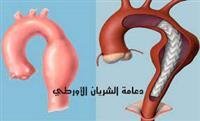
After angioplasty, a small wire mesh tube may be placed in the artery to help keep it open, and a stent is also placed using a catheter.
4. Endarterectomy
An incision is made in the artery in the blocked area, and the material blocking the artery is then removed from the artery walls.
5. Peripheral bypass surgery
A natural or man-made graft is used to bypass the blocked portion of the artery.
6. Blood thinners
A doctor may prescribe blood thinners specifically to help dissolve clots. They may give a person anticoagulants, which are a group of powerful blood thinners that can dissolve a clot more quickly, but can also cause dangerous bleeding.
Some people may need to continue taking these medications to reduce the risk of another clot, and if a person has had atherosclerosis, stroke or heart attack, they may need lifelong treatment.
But people who are about to give birth or have surgery may not be able to take these medications.
Prevention of clogged arteries
The most important prevention methods include
Learn the signs and symptoms of acute clogged arteries.
Check your feet daily for cuts, sores, blisters, and discoloration if you have diabetes or poor circulation.
Call your healthcare provider right away if you notice problems.
Stop smoking if you smoke.
Refrain from eating foods rich in fat and cholesterol.
Exercise several times a week.


