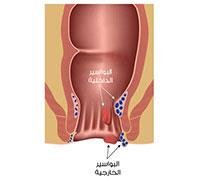

Anal abscess occurs as a result of an infection, and it causes severe pain in the affected area, and it may be accompanied by some symptoms, so you must go to the doctor for an examination and treatment of the abscess. Anal abscess An anal abscess is a painful condition caused by the presence of pus near the anus. This abscess often results from infection of the small anal glands.
Perianal abscess is the most common type, and it appears as a painful swelling near the anus, and is red and warm to the touch, while anal abscess in the deep tissues is the least common and obvious.
Causes of anal abscess
There are some causes that lead to anal abscess, such as
A tear in the anal canal: thus increasing the chances of infection.
Infection with a sexually transmitted disease: which leads to anal infection.
Obstruction of the anal glands: which leads to anal abscess.
Risk factors for anal abscess
The chances of developing an anal abscess increase in some cases, such as
Crohn''s disease or ulcerative colitis, which are inflammatory bowel diseases that cause the body to attack healthy tissue.
Diabetes.
Weakened immune system, which makes it easier for the body to get infections.
Anal sex increases the risk of an anal abscess.
Take some medications, such as: Prednisone, which is an anti-inflammatory steroid.
Chemotherapy.
constipation or diarrhoea.
Young children or children with a history of anal fissures.
Symptoms of an anal abscess
Anal abscess is accompanied by some symptoms, including the following
The feeling of pain increases when sitting.
Anal area irritation, redness and swelling.
Discharge of pus from the anus.
Constipation or pain associated with bowel movements and defecation.
Fever, chills, and fatigue due to a deep anal abscess.
Diagnosis of an anal abscess
An anal abscess is often diagnosed through a physical examination, in which the doctor checks the area for the abscess and its characteristic signs, such as: swelling, redness, and inflammation in this area.
Sometimes, there may not be any clear signs of the abscess from the outside, and this means that the abscess is in a deep place inside, and at that time the doctor resorts to the endoscope to be able to examine the anal canal and the lower rectum.
The doctor may order an MRI or ultrasound for the accuracy of the examination.
The doctor may also order more tests to ensure that Crohn''s disease is not a contributing factor to the abscess, including a blood test and colonoscopy.
Treatment of anal abscess
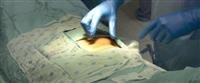
An anal abscess rarely clears up on its own or with antibiotics. In most cases, your doctor will need to drain the abscess, which is a relatively simple procedure that requires local anesthesia, a scalpel, and a pair of forceps.
If the abscess is very deep or in an area beyond the rectum, the surgery will need to be performed in the hospital under general anesthesia. The surgery generally takes about 30 minutes, and a sample of the extracted pus can be sent to a lab to determine which bacteria are causing it.
Draining the abscess will provide almost immediate relief, but there may be some pain after the operation, and the doctor will prescribe antibiotics to help treat the infection and prevent it from recurring and spreading again.
A sitz bath, which is a basin used to clean the anal area, may also be recommended, and the doctor may prescribe sedating medications.
The procedures during the recovery period after the surgery include the following
The doctor prescribes stool softeners to facilitate the stool and reduce pain.
The patient should gently handle this area to clean and dry it after defecation to avoid any risks or complications of contamination of the affected area.
A doctor can be consulted about topical preparations that help soothe anal tissue.
You should contact the doctor immediately if any serious symptoms appear after the procedure, such as: excessive bleeding or fever, chills, and vomiting.
Methods of prevention of anal abscess
There are some procedures that help prevent anal abscess, including the following
Using condoms during sex: Condoms help prevent sexually transmitted diseases.
Keeping the anal area clean: Care must be taken to clean the anal area well to prevent infection that causes abscess.
Visit a doctor if any symptoms appear: including pain or swelling, as early detection helps treat the problem before it worsens.
Complications of anal abscess
People with an anal abscess may develop a fistula, which is an abnormal opening between the abscess site and the anus.
In some cases, persistent drainage of the anal fistula occurs, and anal abscesses can recur, which requires immediate surgical intervention.
In general, neglecting anal abscess leads to more pain and chances of contamination of this area and the serious complications that follow.