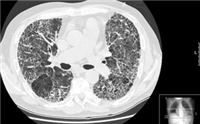

Mild symptoms 2 days a week to 2 nights a month Constant mild Symptoms more than twice a week, but not more than once a day. Fixed moderate symptoms once a day and more than one night a week. Constant severe symptoms throughout the day most days often at night. Asthma symptoms range from Lord''s symptoms
And between mild and severe and differ from one person to another, mild symptoms may appear, such as: wheezing and rattling during breathing, and asthma attacks may occur from time to time, and asthma symptoms may appear mainly at night hours or only when physical effort is exerted.
As for between attacks, the patient may be in good condition and not face any respiratory difficulties. Signs of asthma can be explained as follows:
1. Symptoms and signs of asthma
Include the following
Shortness of breath.
Chest contractions or pains.
Sleep problems due to shortness of breath.
Coughing, wheezing, or wheezing.
Coughing spells or wheezing while breathing that gets worse as a result of infection of the airways with a virus, in cases of cold and flu, for example.
2. Signs of exacerbation of asthma
These signs include the following
Exacerbation of symptoms: an increase in the severity and frequency of disease symptoms.
Decrease in maximum airflow rates: measured by the maximum expiratory rate, a simple device designed to measure the level of lung function.
An increased need to use bronchodilators: These are medications that open the airways by relaxing the surrounding muscles.
It is necessary for the asthmatic patient to be under medical supervision on a permanent basis, to check if there is a need to increase the drug dose and the timing of its increase, or to take other measures to treat symptoms.
If the asthma continues to worsen, there may sometimes be a need to go to the hospital. The doctor can help diagnose the signs and symptoms that require going to the emergency room in the hospital, so that the patient is aware of the cases in which he should go to receive help.
Causes and risk factors for asthma
It is not clear why some people develop asthma while others do not, and it is likely that asthma is thought to be the result of a combination of several environmental and genetic factors.
Factors that trigger asthma differ from one person to another, as exposure to a large number of substances that cause hypersensitivity can trigger signs and symptoms of asthma, including:
Airborne allergens, such as flower pollen, animal scales, mold, dust mites, and cockroaches.
Inflammation of the airways, such as: in the common cold.
physical activity
cold air.
Air pollutants, such as: smoke.
Certain medicines including β-blockers, aspirin, and other non-steroidal anti-inflammatory drugs.
Extreme agitation and tension.
Preservatives added to some food products.
Gastroesophageal reflux disease, a condition in which acid from the stomach backs up into the throat.
menstruation in some women
Allergic reaction to types of food, such as: pistachio.
Asthma is a widespread disease that affects millions of adults and children, and is diagnosed annually in increasing numbers of people, but the reason for this is still unknown.
Asthma risk factors
There are a number of factors that are known to increase the risk of developing asthma, including the following:
Previous cases of asthma in the family.
Recurrent infections in the airway during childhood.
Passive smoking.
Living in a civilian area, especially if the air pollution is high.
Exposure to factors that may cause disease in the workplace, such as: chemicals in factories, materials used in agriculture, and materials used in hairdressing
The birth of a baby with a small birth weight or obesity.
Asthma complications
Asthma can cause many complications, including
Go to the emergency room and hospitalization for acute asthma treatment.
Permanent narrowing of the airways.
Side effects from using certain medications to treat severe asthma for a long time.
Asthma diagnosis
It is sometimes difficult to diagnose asthma, and it can sometimes be difficult to distinguish between asthma and wheezing bronchitis from pneumonia or another disease of the airway in response to certain stimuli.
To rule out other possible illnesses, the doctor does a physical exam and asks questions about signs, symptoms, and other health problems. Sometimes a lung function test is done to determine the amount of air that goes in and out during breathing in order to diagnose asthma. Lung tests include the following :
Lungs tests
Lung function tests include
1. Check the spirometer
This examination tests the extent of the constriction of the airways, during which the amount of air that can be exhaled after a deep inhalation and at what speed is exhaled is measured.
2. Peak flow meter
A peak flow meter is a simple device that can be used at home and detect minor changes that may occur even before symptoms are felt. If the result is less than normal, this is an indication that asthma will appear soon. The doctor provides instructions on how to follow up on low results and deal with them.
Lung function tests are often conducted before and after using a bronchodilator to open the airways. If the functioning of the lungs of the person being examined improves as a result of the expanded use, it is likely that he has asthma.
Additional tests for the diagnosis of asthma
A group of other tests can contribute to the diagnosis of asthma
1. The Metacholine Challenge
A patient with asthma inhaled a substance known to trigger asthma called metacholine, as it generates slight pressure in the airways, and a positive result in a metacholine examination confirms the diagnosis of asthma. Such an examination is performed if the lung function tests show normal results.
2. Nitric oxide test
It is an examination that is sometimes conducted to diagnose and monitor asthma. It measures the amount of gas called nitric oxide in the breath. In the event that there is inflammation in the airways, and this is a sign of asthma, the level of nitric oxide is higher than normal, and this examination is not common.
Classification of asthma
To determine the severity and severity of asthma, the doctor, in addition to a physical exam and laboratory tests, evaluates the person''s answers to questions about symptoms.
Determining the degree of severity of asthma helps the doctor to choose the most effective treatment for asthma, given that the degree of severity of asthma often changes over time, which therefore requires the appropriateness of asthma treatment.
Asthma treatment
Asthma treatment often includes avoiding triggers and taking one or more medications. Asthma treatment varies from person to person, and most people with persistent asthma use a combination of long-term medications to control their asthma and quick-relief medications taken by inhaler.
Since asthma changes over time, there is a need for medical follow-up to monitor symptoms and to know the adjustments and changes that should be made in the treatment regimen to always remain appropriate to the disease.
Asthma treatment with medications includes long-term medications aimed at controlling asthma, medications for rapid relief, and medications to treat antigen hypersensitivity (Allergy). It is worth noting that choosing the type of medication is determined by age and symptoms, as follows:
Medications for the treatment of chronic asthma
They are mostly daily use medications, and their types include
1. Inhaling corticosteroids with a nebulizer
The aim of using this drug is to reduce the risk and frequency of attacks and long-term damage to asthma, but it should be noted that this drug does not relieve the symptoms of the disease at the time of an acute attack.
2. Beta-agonists
Such as salmeterol, where this type of medicine is used to widen narrow airways and reduce the possibility of severe asthma attacks.
3. Leukotriene
Such as montelukast, which is a drug that inhibits certain substances that cause inflammation in the airways, which are called leukotrienes.
4. Medications for exposure to asthma triggers
Like Cromolyn and Nedocromil, these medications are used to reduce the risk of an asthma attack when exercising or being exposed to asthma triggers.
5. Theophylline
This medicine helps in dilating the airways in order to treat and relieve asthma symptoms.
6. Medications for quick relief
Also called rescue and emergency medications, these medications are used for rapid relief as needed for immediate relief of symptoms, such as in the event of an asthma attack, before exercise, or if recommended by a doctor.
Rapid treatment drugs for asthma
Include the following
Short-term beta-2 agonists, such as salbutamol.
Ipratropium.
Corticosteroids to swallow or inject into a vein.
Allergic asthma treatment
Includes the following
Treating asthma with a vaccine.
Monoclonal antibody of the type IgE.
Ways to control asthma
Include the following
Avoid triggers and monitor symptoms.
Take long-term and consistent medications to prevent asthma attacks.
Take medications for the short term to treat asthma in emergency cases, if they arise.
Asthma prevention
Through cooperation and joint work with the doctor, it is possible to develop a gradual program of action that facilitates the confrontation of asthma and the prevention of asthma attacks, and includes the following:
Writing an action program for asthma treatment.
Identify the factors that trigger asthma and avoid them.
Breath control.
Recognizing seizures and treating them at an early stage.
Alternative therapies
Asthma cannot be treated with herbs.