
Minor thalassemia is one type of beta thalassemia, but what are its symptoms? Can it be treated? Continue reading the following article to know the answer. Thalassemia is defined as a group of inherited blood disorders that produce hemoglobin incorrectly, as its types differ according to the mechanism of production. Here is this article to learn about thalassemia minor as one of the types of thalassemia:
thalassemia minor
Thalassemia minor, which is one of the types of thalassemia, which is an inherited form of hemolytic anemia. Thalassemia minor is often considered less severe among the types of thalassemia.
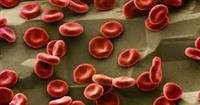
The blood sample of a person with thalassemia shows microcytic and hypochromic red blood cells. It is worth noting that small red blood cells carry less oxygen than normal-sized cells.
Symptoms of thalassemia minor
Often, a person with thalassemia minor does not have any symptoms, but sometimes a person with thalassemia minor may suffer from simple anemia, unlike thalassemia major, in which severe symptoms sometimes require blood transfusions.
Causes of thalassemia minor
Small thalassemia occurs as a result of a defect in only one gene, so the patient often suffers from less severe anemia than other types.
It is worth noting that this gene can be passed on to the children of the affected person by 50%.
Complications of thalassemia minor
Thalassemia minor is a mild type of thalassemia, and it often does not cause any long-term problems or complications. However, it is worth noting that the person with thalassemia minor will be a carrier of the gene for this disease.
The difference between thalassemia minor and thalassemia major
Beta Thalassemia is divided into two types: minor and major, as the difference between them comes as follows:
1. Thalassemia minor
The patient has only one copy of the thalassemia gene, with a slight decrease in hemoglobin and a normal level of iron in the blood.
It is worth noting that there is no necessary treatment for a patient with thalassemia minor, and it is often not recommended to use iron.
2. Thalassemia major
The infected person is a carrier of two genes of beta thalassemia and does not carry the normal gene, and therefore it affects hemoglobin production significantly, so thalassemia major is considered one of the serious diseases.
Anemia begins to appear during the first months after birth, which may cause failure in the growth of the child, malnutrition and other serious problems.
Can you prevent thalassemia?
Thalassemia is one of the inherited diseases, so it is transmitted from parents to children, and this transmission cannot be prevented, so it is necessary to consult a specialist doctor when there is a thalassemia infection in the family to determine the extent of the risk of children being infected with it.
How can coexistence with thalassemia?
There are some daily practices that are recommended for a thalassemia sufferer to reduce the risk of developing other complications, including the following:
Following a healthy, balanced diet, as these patients do not need a special diet.
Take care to take nutritional supplements, such as: calcium, folic acid, and vitamin D.
Regular exercise, such as: weight-bearing exercises and aerobic exercises, as they help strengthen bones and reduce the risk of osteoporosis.
Avoid smoking and stop drinking alcohol.
Avoid infection, by maintaining personal hygiene, making sure to take the necessary vaccinations, and staying away from infected people and avoiding direct contact with them.
Ensure that medications are taken as prescribed by the doctor, and that important periodic check-ups are performed.