Learn about the causes, symptoms, and methods of prevention and treatment of platelet disorders in children in this article.
Platelet disorders in children
Details about platelet disorders in children in this article
Platelet disorders in children
Platelet disorders in children have several forms, either a lack of platelets (Thrombocytopenia), which is the most common problem of immune thrombocytopenia, or an increase in platelets, which causes many health problems or disorders in platelet function.
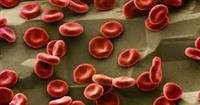
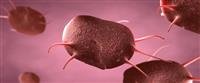
It is known that platelets are colorless cells that play an essential role in stopping bleeding by forming clumps and clots inside the affected blood vessels. The normal platelet count for children ranges from 150,000 to 450,000 per microliter of blood.
Platelet disorders in children: thrombocytopenia
It is a condition that affects the child when the platelets are less than 150,000 platelets / microliter. Here are its details:
Causes of thrombocytopenic disorders in children
The most common cause of platelet disorders in children is the immune system attacking and destroying platelets by mistake, along with other causes such as:
Weak bone marrow, as it may not work well and lead to a decrease in platelet production.
Viral infections such as chickenpox.
Taking some medications and vaccinations, such as: some antibiotics, epilepsy drugs, and chemotherapy.
Liver diseases that result in platelet imbalance and an enlarged spleen.
An enlarged spleen that results in platelets staying in the spleen and not moving to the blood vessels, which is known as platelet sequestration.
Cancers and lymphatic diseases.
Symptoms of thrombocytopenic disorders in children
Symptoms of a lack of platelets, which are needed for clotting and repairing damaged blood vessel walls, include:
Bruises appear due to a pool of blood under the skin.
Petechiae, which are small red spots of bleeding that look like freckles, are known as purpura.
The appearance of blood in the stool and blood in the urine, known as hematuria.
Bleeding gums or nose.
vomiting blood
Methods for diagnosing thrombocytopenic disorders in children
The child should be shown to a hematologist if he suffers from one or all of the previous symptoms. First, it is important to know the child’s medical history, then perform some laboratory tests such as:
Complete blood count: Checks the complete blood count, red and white blood cells, and platelets.
Smear: Examination of a sample of blood cells under a microscope to see if it is normal.
Bone marrow examination: to find out the production of platelets and the amount that can be produced.
Average platelet volume: To know the platelet volume, when the result is high, this is an indication that the blood platelets are large in size, while a low result is an indicator of small platelets, and this result is due to a viral infection and bone marrow disorders.
Treatment of thrombocytopenic disorders in children
There may not be a need for treatment, but in some cases, treatments must be resorted to, and the most common treatments are:
Intravenous immune globulin: to slow the destruction of platelets.
Corticosteroids: Help reduce platelet destruction. Steroids can increase platelet count in two to three weeks.
Platelet disorders in children: thrombocytosis
It is detected as a result of routine blood tests that show a high platelet count of more than 450,000 platelets per microliter of blood, which is an indicator of thrombocytosis.
These disorders are often linked to mutations in a variety of genes and may be the result of medical problems, such as: cancers, splenectomy, hemolytic anemia, infections, and iron deficiency.
Platelet disorders in children: abnormal platelet function
Weakness or defect of blood platelets results from two conditions
Hereditary: Von Willebrand disease is the most common disorder related to thrombocytopenia, along with Bernard-Soulier syndrome and Chédiak-Higashi syndrome.
Acquired: It may usually result from some medications and diseases, such as medications used to prevent heart attacks, some anti-inflammatory drugs, aspirin, and some diseases, such as kidney disease, cirrhosis, multiple myeloma, and systemic lupus erythematosus.