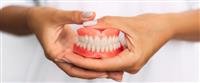

When we lose a tooth or a group of teeth, we resort to options to replace the missing teeth, and one of the most important of these options is a dental bridge. A dental bridge is used to fill the gap resulting from the loss of one or more teeth. It consists of an artificial tooth called the bridge, supported by two crowns called the supporting teeth on both ends of the gap. The dental bridge is made of gold, metal, or porcelain, or a combination of them.
Types of dental bridge
There are three main types of dental bridge
Traditional dental bridge
It is the most common type of dental bridge, and it is used when there are natural teeth on either side of the gap.
A traditional fixed bridge consists of two or more supporting teeth, and one or more bridges depending on the number of missing teeth.
Cantilever dental bridge
It is used when there are teeth on only one side of the missing tooth, and the bridge is attached to only one supporting tooth.
This bridge should not be used at the back of the mouth, as it may put too much pressure on the teeth, causing damage.
Maryland dental bridge
It is made of fused porcelain with a metal tooth supported by a metal structure. This type is often resorted to when there is a need to fill a gap in the front teeth.
Implant-supported dental bridge
An implant-supported dental bridge uses dental implants where one implant is surgically placed for each missing tooth and these implants hold the dental bridge in place.
This type of dental bridge is the strongest and most stable and requires two surgeries, one to place the implants in the jawbone and the other to install the dental bridge.
Benefits of having a dental bridge
Dental bridges offer many benefits, including
Restoration of a natural smile.
Restore the ability to chew normally.
Restore the ability to pronounce correctly.
Preserving the natural structure of the face.
Even distribution of pressure on the teeth.
Preserving the remaining teeth and preventing them from moving from their place.
Conditions for the possibility of installing teeth for the patient
Factors and conditions that make you eligible for a dental bridge include
Loss of one or more permanent teeth.
Enjoying good health in general and not having any serious health conditions or infection.
Having healthy teeth and strong bone structure in the jaw.
Enjoy good oral health.
The ability to take good care of oral hygiene to maintain the health of the dental bridge.
Dental bridge damage
Dental bridges may cause some harm, including
Damage to adjacent teeth occurs when the bridge is installed.
Possibility of decay, especially when the structure of the bridge is not perfectly matched, and this occurs due to the buildup of bacteria and plaque inside the bridge.
Tooth structure change.
Bridge collapse due to the inability of the teeth to adequately support the bridge.
The supporting teeth are severely damaged, and the need to resort to dental implants.
How to take care of a dental bridge
A dental bridge can last up to seven years or more when taken care of and maintained properly, through:
Eat soft foods after the bridge is installed, and avoid foods that may cause damage to the dental bridge, such as:
Sticky and hard candy, so as not to remove the supporting teeth.
Sugary foods, to avoid cavities.
Foods that contain husks, such as: popcorn and hazelnuts.
Take care of and maintain the remaining teeth with daily brushing, toothpaste and dental floss.
Maintain regular professional cleanings at the dentist.
Eat a balanced diet and increase vegetables, fruits, and fiber, and reduce meat, to maintain oral and dental health.