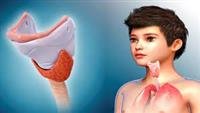
and their dates
The emergence and discovery of vaccinations was a very important medical event, as it contributed to the development and progress of the preventive department of pediatrics. Let us learn about the most important childhood vaccinations and their dates. The emergence and discovery of vaccinations was an important medical event that significantly helped in the development and progress of the preventive section of pediatrics, after diseases were for a long time one of the most important causes of children''s deaths and disabilities.
The most important information about children''s vaccinations to you in the following
Child vaccination mechanism
Vaccines give the child strong immunity similar to the immunity obtained from infection with the same disease, except for the temporal aspect only, where the duration of its continuity is less than the immunity of the disease, and this explains the vaccines that support the child.
We note here that children''s vaccinations must be carried out under the supervision of a doctor, as there are some contraindications that prevent or delay their vaccination for a later period, such as: tuberculosis, or some renal diseases.
How to give children vaccinations
Some childhood vaccinations are given orally, such as: polio vaccine, while most of them are given by injection under the skin or into the muscle.
Consequences and side effects of childhood vaccinations
Vaccines are effective and well protective against the disease they are directed at if all of their supportive accessories are administered at the appropriate times. The common side effects are:
Child''s fever.
Swelling and redness of the vaccine area.
Enlarged lymph nodes surrounding the grafted area under the skin.
The treatment is by giving the child an oral antipyretic, such as paracetamol, and we rarely have to consult a doctor in severe cases.
Types of childhood vaccinations and their dates
We note that there are two types of childhood vaccinations, according to the degree of their importance in protecting the child:
Compulsory: such as diphtheria, tetanus and polio vaccines.
Optional: such as the chickenpox and rubella vaccine.
To find out about all types of children''s vaccinations and the exact times for them, see the schedule of vaccinations and immunizations below:
the visit
age of the child
necessary vaccinations
1
during the first week of the visit.
Hepatitis B Vaccine (1)
2
beginning of the third month
Paralysis and quadriplegia (1) - liver (2).
3
beginning of the fourth month
paralysis + quadriplegia (2).
4
beginning of the fifth month
paralysis and quadriplegia (3)
5
Beginning of the tenth month
Measles (1) – Liver (3) + Vitamin A.
6
beginning of the fifteenth month
M.M.R (measles-mumps-rubella).
7
Beginning of the eighteenth month
Supportive quadriplegia (1).
8
when entering school
OPV, Td
9
Sixth, ninth grade
Tr
10
Pregnant women
Tt
11
after birth
Vitamin A
Child vaccination schedule
Here are the exact dates
the visit
The type of vaccine
Vaccine history
next vaccination date
1
Tuberculosis (B.C.G)
paralysis (zero)
Hepatitis B (1).
2
paralysis and quadriplegia (1).
Hepatitis B (2).
3
paralysis and quadriplegia (2).
4
paralysis and quadriplegia (3).
5
measles (1).
Hepatitis B (3).
vitamin A
6
M measles (2).
M mumps.
R rubella.
7
Supportive quadriplegia.
8
When attending school OPV,Td
9
Sixth grade td
10
Pregnant TT
11
Other vaccines
Postpartum vitamin A, liver A- pneumonia, typhoid- chickenpox
General tips
Here, mother, are general tips regarding vaccinations and immunizations for your child
In order to preserve your child''s health and protect him from serious diseases, follow the vaccination schedules.
The meningococcal vaccine protects your child from meningococcal meningitis and is given from 2 years of age and older.
Hemophilus influenzae is the main cause of the following diseases in children, and the vaccine protects against infection with these diseases:
Sepsis.
Meningitis.
Epiglottitis.
Pneumonia.
Infective arthritis.
Cellulitis.
Bacterial pericarditis.
The influenza (cold) vaccine protects against infection with the influenza virus and is given from the age of 6 months and over, according to the child''s need, which is determined by the doctor (for example, in children with asthma).
In mothers with a history of hepatitis: Babies should be vaccinated against hepatitis B within two days of birth with anti-hepatitis immunization vaccines.
Regarding the hemophilus vaccination
We recommend that it be done because infection with this germ can sometimes lead to meningitis or severe pharyngitis (and throat), which may hinder the child''s breathing and pose a threat to his life.
In the event of a delay in vaccinating hemophilus, it can be done in the sixth month with a second dose in the seventh month and a supportive dose at the specified time (one and a half years).
For children between the ages of one and five years, we are satisfied with one dose of this vaccine.
Regarding the measles-mumps-rubella vaccine
In the event of a delay in giving this vaccine, it can be done until the age of six years, as it gives protection to the child (it may reach 95%) from these three diseases.
In case of delay in performing some of the other vaccinations mentioned in the schedule.
We can follow this schedule at the stage in which the interruption took place, provided that all vaccine doses are taken in proportion to the age of the child. The minimum interval between two doses is four weeks.