There are a variety of diseases and conditions of the colon and rectum for which surgery is recommended. In addition to the decision to undergo surgery, patients are often faced with a choice of traditional or minimally invasive surgical techniques. In order to participate fully in the decision-making process, patients need information about the following issues:
How is traditional “open” surgery performed?
What is “minimally invasive colon and rectal surgery”?
A description of the minimally invasive surgery techniques available
The benefits and risks of minimally invasive surgery
The types of operations and diseases for which minimally invasive surgery is appropriate
Individual patient factors that must be considered
Questions to discuss with the surgeon
Minimally invasive colon and rectal surgery is a continually changing field. Every year brings new information based on further refinements and increasing use of these techniques. The information and opinions in this material are based on the current state of the art in 2013.
HOW ARE TRADITIONAL OPEN COLON AND RECTAL OPERATIONS PERFORMED?
In order to perform operations inside the abdomen, surgeons must make an incision large enough to offer adequate visibility, provide access to the abdominal organs and allow the use of hand-held surgical instruments. These incisions may be placed in different parts of the abdominal wall. Depending on the size of the patient and the type of operation, the incision may be 6 to 12 inches in length. There is a significant amount of discomfort associated with these incisions that can prolong the time spent in the hospital after surgery and can limit how quickly a patient can resume normal daily activities. Because traditional techniques have long been used and taught to generations of surgeons, they are widely available and are considered the standard treatment to which newer techniques must be compared.
WHAT IS MINIMALLY INVASIVE SURGERY?
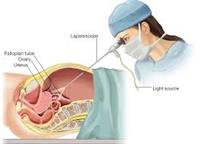
Minimally invasive procedures use advanced technologies to avoid the need for the large incisions used in traditional open surgery. The development of these techniques has been an important advance for the benefit of patients and is useful for the treatment of many conditions. “Laparoscopic surgery” is a specific type of minimally invasive surgery, but the term is sometimes used to refer to minimally invasive surgery in general.