
for you
Depression in children is a real problem that cannot be ignored. It occurs most commonly in males under the age of 10, and in females aged 16 and over.
Depression affects about 3% of children and 8% of adolescents in the United States of America. Here is the most important information about depression in children.
Depression in children
The child may go through unusual moods, feel angry or sad, or exaggerate his reactions, but if these feelings and behaviors continue for a long period of weeks or months, the child is likely to be depressed.
A child''s bad mood may be accompanied by negative feelings and thoughts, such as feeling worthless and rejected by others, or feeling unloved by family or friends. The child often complains a lot and constantly criticizes himself.
Some parents may explain their child''s unusual behavior, such as nervousness, with disrespect, or describe the child as lazy because of his lack of daily tasks and low energy in general, so it is important to see a doctor or specialist to clarify the child''s psychological situation and how to deal with it, as depression in children cannot be neglected in any way. anyway.
Symptoms of depression in children
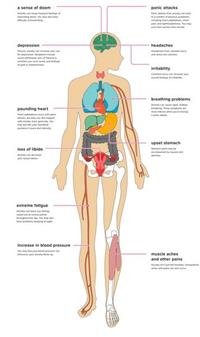
Depression in children is sometimes called masked depression, as its symptoms are misinterpreted as psychological changes of nature that any child can go through. Here are the most important symptoms of childhood depression:
Feeling sad and losing hope.
Speed of anger and irritability.
Feeling rejected by others.
withdrawal from society.
sleep disturbance
Frequent complaints of stomach pains, headaches, etc.
Feeling worthless.
Loss of interest in activities and hobbies.
Bouts of crying.
Thinking or committing suicide, here are the most important warning signs
Too much preoccupation with death and talking about it.
Talk about losing hope in life.
Abandonment of private purposes and property.
Reckless and risky behavior or self-harm.
Isolation from society.
A child may not have all of the above symptoms, and some children may exhibit deviant behaviors such as drug use and alcohol use.
Although suicide is rare in children under the age of 12, it can occur, especially in children who have been exposed to family violence or sexual abuse, or who have used alcohol or drugs.
Causes of depression in children
Some may wonder why children become depressed before assuming responsibilities or facing life''s obstacles. In fact, depression often comes to a child after a trauma, a traumatic incident, or painful situations. Here are the most prominent of them:
Family problems.
Being bullied.
Exposure to physical, sexual or psychological abuse.
Having a family history of psychological or mental illness.
Diagnosis of depression in children
In fact, there are no tests to diagnose depression, but it depends on the interviews of the child and parents with the doctor or psychologist. The doctor can conduct some tests to rule out any disease that could cause mood swings in the child, such as:
Anemia.
Epilepsy.
diabetes.
Thyroid problems.
Concussion.
Vitamin D deficiency.
An increase in the number of white blood cells.
Treating depression in children
Stigma and misinformation about psychotherapy constitute an obstacle to obtaining psychological care for children or adults, so parents must overcome it and resort to specialists in psychotherapy to solve the problem and avoid any possible complications in the future. Here are the most important ways to treat depression for children:
1. Psychotherapy
Mild to moderate depression can be treated with the first and preferred option for children, which is cognitive behavioral therapy. Other psychological therapies can be used for children younger than 10 years old, such as play therapy, behavioral therapy, or psychodynamic therapy.
2. Pharmacological treatment
Moderate to severe depression can be treated using antidepressant medications in addition to psychotherapy, taking care to adhere to the exact doses as prescribed by the doctor, whether at the beginning or end of treatment, as the treatment may cause possible side effects.
The Food and Drug Administration also warns of an increased risk of suicidal thoughts or suicidal behavior, especially at the beginning of treatment, so it is important to monitor the child and follow up on all his sessions with the psychiatrist.