
Why is a child''s mental health important? What are mental health diseases, their symptoms, and ways to control them? When should you take your child to the psychiatrist to receive treatment? You can answer all your questions in this article.
Below we will learn the most important information about children’s mental health
The importance of children''s mental health
Having good mental health is one of the best ways to grow healthy and maintain the safety of a child, who needs good mental health not only to be able to deal with challenges or adapt to changes, but also to be able to feel satisfied with oneself, build healthy relationships with others, and enjoy life.
A child''s mental health is affected by many factors, such as: family circumstances, school life, and life events, so he is more susceptible to various mental health problems at any age, and the risk of children developing mental health diseases usually increases in children between the ages of 12 and 16 years.
So if you notice that your child has symptoms of mental health disorders, the best thing you can do is get some help from a psychiatrist or school counselor before it gets worse.
Symptoms of child mental health disorders
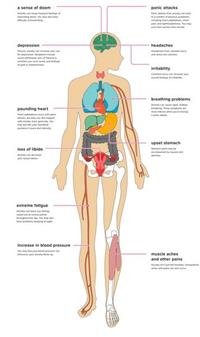
About one in eight children suffer from behavioral or emotional problems as they grow, some of whom may need medical intervention to receive appropriate treatment. There are symptoms that help detect these disorders, including:
Noticeable changes in behavior.
Not being able to sleep easily.
Desire to isolate from social gatherings.
Not wanting to do what he loves.
Self-harm or neglect of personal hygiene.
It is worth mentioning that some may also feel frustrated, angry, or anxious. If these symptoms continue for a long time, they may also greatly affect the child’s physical health.
List of child mental health diseases
Here are some mental health issues that can affect your child
Anxiety.
Depression.
Oppositional defiant disorder.
Conduct disorder.
Attention deficit hyperactivity disorder.
Tourette syndrome.
Obsessive-compulsive disorder.
Post-traumatic stress disorder.
The list of child mental health diseases also includes conditions that affect children''s learning, behavior, emotions, and development, such as: learning difficulties, autism, and risk factors, such as: substance abuse, and self-harm.
Improving the mental health of the child
There are many things that can be done to improve a child''s mental health and help limit its development, including the following:
1. Changing the child’s lifestyle
Changing a child''s lifestyle helps improve his mental health. You should ensure that he gets enough sleep, eats healthy food, and engages in regular physical activity.
2. Paying attention to the child’s feelings
Long-term and secure relationships, such as harmonious family relationships, affect the child’s psychological health. Family conflicts may cause the child to suffer from anxiety, fear, and tension, and cause him to suffer severe conflict with his emotions, thoughts, behaviors, education, or relationships.
There are some simple steps that you can take to support your child''s mental health, such as: providing a warm family atmosphere, paying attention to the child and encouraging him to talk about what is happening in his life and recognizing changes in his behavior, and seeking support from the doctor when he feels anxious.
When should a child be treated psychologically?
Parents and family members are often the first to notice that a child is suffering from psychological problems through fluctuations in his feelings or behavior. The school administration may also notice that the child has suffered psychological trauma, so you should seek help from a psychiatrist if he shows symptoms of mental health disorders.