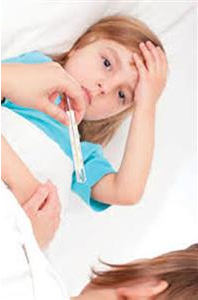
Many children suffer from inflammatory bowel disease. Here is the most important information about the causes and symptoms associated with inflammatory bowel disease in children.
Find out the most important information about enteritis in children as follows
Enteritis in children
Enteritis in children arises from an intestinal infection inside the digestive tract by many different germs, causing vomiting and diarrhea that can last for several days.
IBD spreads easily, especially in young children and infants, and it can also cause dehydration in children under 6 months of age.
Causes of enteritis in children
There are many causes of enteritis in children, including the following
1. Viral enteritis in children
Viruses are the primary cause of enteritis in children, as they are highly contagious and can spread easily among children in care centers, nurseries, and schools. Viral enteritis in children usually lasts for three days, some of which are mentioned in the following:
Norovirus: The most common virus that causes inflammation of the intestines in children. It is called the winter vomiting bug, although it may infect children at any time of the year. It is highly contagious and causes severe and sudden vomiting.
Rotavirus: It is very common in young children before the routine virus vaccination.
Adenovirus: It infects infants and young children and causes fever, vomiting, and severe diarrhea.
Astrovirus: Less common and causes diarrhea and vomiting is uncommon.
2. Bacterial enteritis in children
Bacterial enteritis in children is transmitted through food and drink contaminated with bacteria, such as: Escherichia coli (E. coli) and Salmonella. Enteritis in children caused by bacteria is called food poisoning.
The bacteria secrete toxic substances that lead to intestinal cramps and vomiting hours after eating contaminated food and drink.
3. Parasitic enteritis in children
Many parasites cause enteritis, such as: Giardia and Cryptosporidium, transmitted through contaminated water and contact with infected people.
Symptoms of enteritis in children
There are many symptoms associated with enteritis in children, including the following
Fatigue and loss of appetite.
Vomiting within the first 24-48 hours of infection.
Severe diarrhea that may last up to 10 days.
Pain in the stomach and intestines.
the appearance of a fever
The most prominent signs that indicate a child’s exposure to dehydration as a result of fluid loss during vomiting and diarrhea are the following:
Dry mouth and tongue.
Cold hands and feet.
Frequent unusual sleep and feeling wasted.
Drying of the baby''s diapers and not urinating.
sunken eyes
Treatment of enteritis in children
Most cases of enteritis in children gradually disappear within a few days, and in the meantime apply the following home procedures:
Give your child more fluids to prevent dehydration and restore the normal fluid balance in the child''s body. The doctor may prescribe some oral rehydration solutions.
Offer fluids to your child in the form of frequent doses for long periods, especially if he suffers from severe nausea that prevents him from drinking fluids all at once, especially the milk intended for your child, whether breastfed or formula-fed.
Feed your child lean meats and complex carbohydrates, such as: rice, potatoes and bread, in his diet as soon as vomiting stops, and avoid sugary drinks, as they increase the severity of diarrhea.
Avoid anti-diarrheal medications before consulting a doctor, as they may hinder the role of the intestine in getting rid of viruses, bacteria and toxic substances with the stool.
Have your child rest in his or her crib until the symptoms begin to subside.
Prevention of enteritis in children
Here are some preventive measures to avoid infection with enteritis in children
Wash hands thoroughly after helping your child get to the bathroom or changing their diapers and before preparing food.
Ensure that the cooking area is clean.
Keep uncooked meat away from other foods and offer it to your child after making sure it is well cooked.
The child does not swim for two weeks after the end of his diarrhea.
Do not send your child to school until 48 hours after symptoms have gone.
When should you go to the doctor immediately?
Refer to the doctor immediately if you experience any of the following symptoms
The baby''s complexion turned pale in a strange way.
The child''s response I said.
Presence of the aforementioned symptoms of dehydration.
The child''s breathing is faster than normal.
The appearance of blood or mucus in the stool.
Appearance of bile or green juice with vomiting.