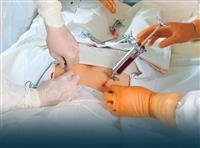

treatment
In this article, we will learn about the common causes of lymphadenitis, and what medical and home remedies can be done.
The following are the most prominent causes of lymphadenitis and methods of treatment
Causes of lymphadenitis
There are several common causes of lymphadenitis, divided into infectious and non-infectious causes:
1. Infectious causes
Sometimes inflammation of the lymph nodes occurs due to the spread of bacterial, viral, or parasitic infections, as they are among the common infectious causes of lymphadenitis:
viral infection
Among the most important viruses that can cause inflammation of the lymph nodes are
Colds.
Sinus infections.
Chickenpox.
Measles disease.
human immunodeficiency virus (HIV).
bacterial infection
There are many types of bacteria that may cause lymphadenitis, most notably
Tuberculosis.
Cat scratch disease.
Lyme disease.
Staphylococcus.
Streptococcus.
parasitic infection
Some parasitic infections may cause lymphadenitis, such as: toxoplasmosis.
2. Non-infectious causes
Sometimes lymphadenitis may indicate several non-infectious causes, most notably
Immune system disorder
An immune system disorder may lead to lymphadenitis, such as
lupus
Rheumatoid arthritis.
Sjogren''s syndrome.
cancer
Lymphadenitis may indicate more serious conditions, such as cancer. Among the most prominent types of cancer that may cause lymphadenitis are:
Lymphoma.
blood cancer.
Metastasis and spread of cancer that started in one area and another place in the body to the lymph nodes.
Hodgkin disease.
Home and medical treatments for lymphadenitis
Among the most important home and medical remedies that may help and relieve lymphadenitis
1. Home remedies
Here are some home remedies that may help relieve lymphadenitis
When inflammation occurs in the lymph nodes, they usually increase in size and become tender. One of the home solutions that may help relieve pain and swelling is to place cold compresses or a warm wet towel on the area affected by lymphadenitis.
Drink plenty of fluids, such as: water and natural juices, as they help restore body activity and overcome disease faster.
Get a good rest and sleep enough to help the body recover from illness.
2. Medical treatments
Among the most important medical treatments to relieve and treat lymphadenitis
Take painkillers that do not need a prescription, such as: paracetamol or ibuprofen, to relieve symptoms of lymphadenitis, such as pain and swelling.
Treatment for lymphadenitis may include antibiotics to treat a bacterial infection, and antiviral medications to treat a viral infection.
Also, some medications may be prescribed to treat immune system disorders. Do not use any over-the-counter medications without talking to your doctor.
Treatment for more serious conditions, such as cancer, may include surgery, and chemotherapy or radiotherapy for some types of cancer.
Important advice about lymphadenitis
Here are some important tips for lymphadenitis
It is important to go to the doctor to find out how the infection has spread to the lymph nodes, as it depends on the type of infection that has spread and the treatment and medications that will be prescribed.
Early treatment can prevent the development of lymphadenitis, as frequent infections are a factor that increases the risk of lymphadenitis.
In most cases, lymphadenitis goes away within a few weeks with proper treatment.
If the problem persists for more than two weeks and other symptoms occur, such as high fever, abdominal pain, and night sweats, it may be necessary to see a doctor.
The symptoms of lymphadenitis may look like other medical conditions or problems, so you should see your doctor for a proper diagnosis.