about it
The possibility that white eye secretions range from being the result of sleep, or it may be due to a certain disease in the eye, in this article we will try to give all possibilities in this regard.
In this article, we will review the most important information about white eye secretions
White eye discharge
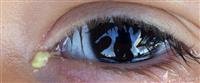
In most cases, white eye discharge in one or both eyes is an indication of an infection, and in other cases it may be a buildup of oils or mucus that accumulates during sleep.
There is no need to worry about infection with white eye secretions, but specialized doctors are advised to take medical advice from a specialist ophthalmologist to ensure the stability and health of the eye so that other complications that may harm the eyes do not occur.
Causes of white eye secretions
In addition to eye irritation, causes of white eye discharge may include
1. Conjunctivitis
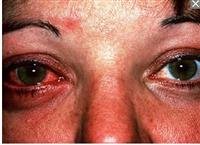
Conjunctivitis is an inflammation of the blood vessels in the membrane that lines the eyelid, and the eye appears pink or red.
Inflammation can be the result of a bacterial or viral infection, and in many cases conjunctivitis is contagious.
Other than eye redness, conjunctivitis symptoms include
feeling itchy
Secretions in one or both eyes, and these secretions may be yellow or white.
feeling pain
eye irritation
Treatment for conjunctivitis focuses on relieving symptoms, so your doctor may prescribe eye s and may recommend applying a cold compress to help relieve symptoms.
2. Allergies
An eye allergy is an immune response that occurs when your eyes become irritated by exposure to allergens, such as pollen and dust.
This form of allergic conjunctivitis may affect one or both eyes, and may also be accompanied by eye irritation and discharge.
Symptoms associated with eye allergy include
Getting itchy.
Burning sensation in the eyes.
swollen eyelids
Runny nose.
Continuous sneezing.
Allergy medications may be helpful in treating eye allergy symptoms.
3. Dacryocystitis
Dacryocystitis is an infection or inflammation of the lacrimal sac located in the nasolacrimal duct, usually with blockage of this duct.
Dacryocystitis can be acute, chronic, congenital, or acquired. Dacryocystitis may be accompanied by the appearance of white secretions.
Treatment of white eye secretions
The production of a small amount of white eye secretions, as mentioned above, is harmless, but if you notice changes in color, recurrence and increase in quantity, then you should speak and seek advice from an ophthalmologist.
Treatment for white eye discharge varies depending on the cause, and may include the following:
1. Treating eye inflammation
In the event that an eye infection is the cause of the white secretions, the doctor may prescribe antibiotics or antivirals.
2. Eye allergy treatment
If eye allergies are the cause, the doctor may prescribe antihistamine eye s and decongestants to relieve symptoms.
3. Treatment of dacryocystitis
Although antibiotic treatment is usually prescribed for dacryocystitis, definitive treatment for dacryocystitis is usually surgery.
Dacryocystitis in children may respond to treatment with massage, and dacryocystorhinitis in adults usually requires a dacryocystorhinostomy, which can be successfully performed either externally through the skin or from inside the nose.
3. Warm compresses
Warm compresses placed over the eyes may help relieve symptoms of itching and discomfort, as well as help reduce the stickiness of secretions.
When secretions cause your eyelids to stick, the best way to loosen this stickiness is to wet a washcloth in warm water and hold it over your eyes for a few minutes before wiping away the gunk.