Gallstones are solid deposits of digestive fluid that can form in the gallbladder, so what are the causes of gallstones and their various symptoms? Learn about it here.
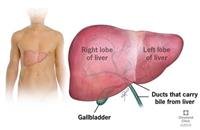
Gallstones are a common condition. The gallbladder is a small organ on the right side of your abdomen just below the liver. Gallstones range from as small as a grain of sand to the size of a golf ball.
Some people develop only one gallstone, while others develop multiple gallstones at the same time. Learn about the causes of gallstones and their associated symptoms.
Causes of gallstones
It is not yet clear what causes gallstones, but doctors believe that gallstones may result in the following cases:
1. High cholesterol in bile
Generally, the bile contains enough chemicals to dissolve the cholesterol that is secreted by the liver, but if the liver is secreting higher levels of cholesterol than what is dissolved in the bile, the excess cholesterol may form into crystals and eventually into stones.
2. Bile contains a lot of bilirubin.
Bilirubin is a chemical that is produced when the human body breaks down red blood cells.
Some conditions cause a large amount of bilirubin, including cirrhosis of the liver, biliary tract infections and some blood disorders. In turn, excess bilirubin contributes to the formation of gallstones.
3. Gallbladder not emptying properly
One of the causes of possible gallstones is that the gallbladder is unable to empty fully or adequately, and this means that the bile juice becomes highly concentrated, which contributes to the formation of gallstones.
Risk factors for gallstones
The risk of developing these stones may increase in the following cases
Women.
Age over 40 years old.
Family history of gallstones.
overweight.
Losing a significant amount of weight in a short period of time.
Diabetes.
Crohn''s disease.
A diet high in fat and cholesterol.
Take cholesterol-lowering medications.
Taking various medications, including oral contraceptives.
Having blood disorders.
Symptoms of gallstones
After knowing the causes of gallstones, it is important to know that gallstones may not cause any distinct signs or symptoms, but if gallstones settle in the duct and cause blockage there, the resulting signs and symptoms may include the following:
Sudden, rapid pain in the upper right part of your abdomen.
Sudden, rapid pain in the center of the abdomen just below the breastbone.
Back pain between your shoulder blades.
Pain in your right shoulder.
Nausea or vomiting.
Gallstone pain may last from several minutes to a few hours.
When should you see your doctor?
After knowing the causes of gallstones, it is important to know that you should seek immediate medical care if you develop signs and symptoms of serious complications of gallstones, such as:
Abdominal pain so severe that you cannot sit still.
Yellowing of your skin and the whites of your eyes, i.e. jaundice.
High fever with chills.