
the most important information
Here are the most important details about difficulty breathing after anesthesia, its most prominent causes, and other important information in the following article.
Some patients suffer from breathing problems after surgeries that require anesthesia, so here is the most important information you may need about difficulty breathing after anesthesia:
Difficulty breathing after anesthesia
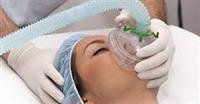
When performing some surgeries, doctors resort to anesthesia of patients, which causes difficulty breathing, as anesthesia drugs affect the functioning of the lungs immediately after surgery, causing a feeling of distress and difficulty breathing.
General anesthesia also affects breathing. When the patient is asleep and relaxed after exposure to anesthesia, he notices some respiratory problems compared to the deep breaths he used to take when he was awake and active. Because the breaths are shallow after general anesthesia, this reduces the alveoli from being completely filled with air.
Causes of difficulty breathing after anesthesia
Some people suffer from difficulty breathing after surgery in which the patient is anesthetized, and the reasons are summarized as follows:
Do not practice deep breathing exercises within 48 hours of the surgery.
Performing chest or abdominal surgery, as anesthesia hinders normal breathing and generates the urge to cough after performing chest or abdominal surgeries, and it may be painful to inhale the air deeply or push the air out.
The patient has pneumonia, which leads to the emergence of some respiratory problems after anesthesia.
Mucus buildup in the lungs after anesthesia.
Symptoms of difficulty breathing after anesthesia
If a large part of your lung collapses, it can cause the following symptoms
shortness of breath.
Increased heart rate.
Blue lips or skin.
Fever .
cough.
wheezing
Risk factors for difficulty breathing after anesthesia
The risk of difficulty breathing after or during anesthesia may be higher if you have any of the following conditions:
Allergy to anesthesia.
diabetic.
heart disease.
hypertension.
Kidney problems.
lung diseases.
Obesity.
Respiratory problems while sleeping.
brain attack.
smoking.
drink alcohol
Exercises to treat difficulty breathing after anesthesia
It should be noted that there are some special exercises that help you breathe, purify your lungs, and reduce the risk of developing pneumonia after anesthesia. The most important of these exercises are:
Deep breathing exercise
It is recommended to do a deep breathing exercise repeatedly every hour immediately after waking up from anesthesia for a period of two to three days, until the pain is gone. It is preferable to do this exercise while sitting, and the method of performing the exercises is as follows:
Breathe in deeply and slowly through the nose, then expand the lower rib cage and allow the abdomen to move forward.
Count to 3 or 5.
Exhale slowly and completely.
Rest and repeat the exercise 10 times every hour, and rest for a longer period when feeling dizzy.
Foot and leg exercise
Foot and leg exercises help improve faster and prevent problems such as blood clots. It is best to do this exercise every hour.
Here are the steps to do this exercise
Move the ankle up and down for one minute.
Relax both feet.
Repeat the exercise 5 times, then relax.
Bend each knee one at a time and move the foot along the bed and back.
Cough exercise
The coughing exercise helps keep the lungs clear. Here''s how to do the exercise
Take a slow, deep breath in through your nose, trying to fully expand your chest and back.
Exhale through the mouth.
Repeat steps 1 and 2 for another breath.
Take a third breath, but instead of exhaling, hold your breath for a moment and then cough hard to get the air out of your lungs.
Do the cough exercise 3 times, and do the breathing and coughing exercises together every hour while you are awake.