Children get many different types of cancer, but what is bone cancer in children? What are its symptoms? How is it diagnosed? We will learn about all this and more in the following article.
Bone cancer is a type of cancer that begins in the bones, and in the following article we will learn about bone cancer in children:
Causes of bone cancer in children
Bone cancer in children occurs when bone cells begin to divide too quickly. This division may occur for several possible reasons, such as:
Previous exposure to radiation therapy.
Suffering from some other bone diseases, such as Paget''s disease.
Suffering from some rare genetic diseases, such as: Rothmund-Thomson syndrome, Li-Fraumeni syndrome, Werner syndrome, and retinoblastoma.
Types of bone cancer in children
There are many types of bone cancer that can affect children, such as
Osteosarcoma: This is the most common type in children, and affects children under the age of 20.
Ewing Sarcoma: Young''s sarcoma affects children between the ages of 10 and 29.
Symptoms of bone cancer in children
There are many symptoms that accompany bone cancer in children, including
Feeling pain in the area affected by bone cancer, and it usually appears in the longest bones in the body.
The pain intensifies as the weeks pass.
Staggering due to pain, especially when carrying heavy objects.
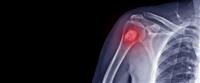
The presence of visible swelling, especially in the shoulder or knee
There is a fracture in the bone without any injury
Suffering from back pain.
Loss of control over bowel or bladder movement.
Diagnosis of bone cancer in children
Bone cancer in children is diagnosed by performing a group of or all of the following tests:
1. Clinical examination
The clinical examination is carried out by the doctor asking the patient about his medical history and family history of diseases. He also looks for any swelling in the affected area, asks about the nature of the pain and how long the pain lasts, and about the presence of any irritants that may increase the feeling of pain.
2. Radiological images
Various radiological images are used to diagnose bone cancer in children, such as: magnetic resonance imaging, computed tomography, and x-rays, which enable the doctor to determine whether the cancer has spread to the surrounding tissues or not.
3. Bone scan
Through a bone scan, the bones are photographed from the inside using radio rays. The affected areas stand out in the image, while the normal and healthy areas appear in a normal color. Through a bone scan, it is determined whether the cancer has spread to larger areas of the bone or not.
4. Biopsy
A biopsy is used to confirm the diagnosis of bone cancer in children and to determine the type and degree of cancer. A simple needle biopsy can be used, which withdraws a sample through a needle, or an open biopsy, which is done by making a wound in the bone.
5. Bone marrow biopsy
In the case of Ewing''s sarcoma, a bone marrow biopsy is used to determine whether the cancer has spread to the bone marrow or not.
Treatment of bone cancer in children
Bone cancer treatment in children aims to completely remove the tumor, and is done by performing a group of the following treatments:
Treating bone cancer in children through surgery
Treatment of bone cancer in children consists of surgical treatment or amputation of the limbs. Amputation is used if the cancer has spread to the surrounding blood vessels and nerves. However, treatment of the limbs is done in the event that the cancer has spread to the bones and muscles, where the affected bones and muscles are removed and the space is filled with bone graft.
Treating bone cancer in children with chemotherapy
Chemotherapy is often used before and after surgery, as it works to reduce cancer cells to facilitate surgery on them, and it also works to get rid of small cells that cannot be detected on radiological images.
Treating bone cancer in children with radiotherapy
Bone cancer in children is treated with radiation therapy if more than one drug is used during chemotherapy and the inability to undergo surgical resection, or if there are remaining microscopic cancerous foci after resection.