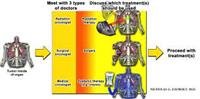

Radiotherapy and other methods are commonly used to treat cancer. What is radiotherapy? Here are the details.
Radiotherapy is a type of treatment mainly used to treat cancer patients. Does radiotherapy kill cancer? Here are the answers to what is radiotherapy?:
What is radiotherapy?
Radiation therapy is a type of treatment that relies on calculated and directed waves of light and thermal energy. Its use is not limited to cancer treatments only, but it can also be used to treat various other diseases.
If you''re wondering, "Does radiotherapy kill cancer?" You must first understand how it works. Radiation therapy destroys or breaks down the DNA of cancer cells, which makes it difficult for them to grow and divide.
Radiotherapy is usually one of the treatments used within a comprehensive cancer treatment program, and this program includes other methods, such as: chemotherapy and surgery.
What is the purpose of radiotherapy?
Radiation therapy is not usually used in cases of cancer that has spread throughout the body Because this type of treatment cannot reach some areas of the body, which makes it lose its effectiveness in some types and late degrees of cancer.
After determining whether radiotherapy eliminates the cancer present in the patient’s body, these are the purposes of using radiotherapy:
1. Preventing the recurrence of cancer after recovery
In continuation of the answer: What is radiotherapy? Radiation therapy is sometimes used as a kind of precautionary measure after cancer has been cured to reduce the chances of it coming back, as doctors always assume that cancer cells remain in the body and have not been completely eliminated.
Here, the natural course of the spread of the cancer that the patient has had and has recovered from is usually traced, and then the patient is subjected to radiation therapy in areas to which the cancer may spread in the future.
2. Reducing cancerous tumors in their early stages
Radiation therapy may be used before surgery to remove the cancerous tumor in order to shrink it and facilitate its removal during the operation, or after surgery to prevent its return.
It may also be used with other cancer medications for double effectiveness against certain types of cancer.
3. Treating the cancer after it comes back
Sometimes radiation therapy may be used to eliminate some types of cancer that have returned to the body.
4. Alleviating cancer symptoms
In cases where the cancer has spread throughout the body, radiation therapy can help relieve symptoms of late-stage cancer, including pain, swallowing, and breathing problems.
Does radiation therapy kill cancer?
After knowing what is radiotherapy? What are its goals? Determining the answer to whether radiotherapy eliminates cancer depends on several factors, such as:
Cancer stage: It is most effective in early cases of cancer.
Type of cancer: Because radiation therapy cannot reach some areas of the body, it is only effective for treating some types of cancer.
Other treatments used with it. In many cases, radiation therapy is part of an integrated plan that includes other treatments and medications that increase the effectiveness of the treatment plan.
How is radiotherapy given to the patient?
There are several options that can be adopted to provide radiotherapy within a cancer patient’s treatment plan, the most important of which are:
External radiation therapy: which is done through a special device that directs rays to the body from the outside in sessions that may last for several weeks.
Internal radiotherapy: It is done by implanting a special device that emits radiation inside the body near the tumor area, but here some safety measures may need to be taken to protect the patient and the people around him.
Radiotherapy with drugs: which is done by giving the patient oral medications or intravenous solutions that contain radioactive elements. It is a type of radiation treatment that requires special safety procedures.
How to choose the appropriate radiotherapy?
The doctor and radiology officer first evaluate the patient''s condition to determine whether radiotherapy eliminates the cancer and suits his condition based on the following criteria:
The size of the cancerous tumor.
Type of cancer.
Location of cancerous tumors in the body.
The individual''s general health.
Cancerous tumors form some important tissues in the body.
Other treatments the patient is taking.
Side effects and complications of radiotherapy
Like any other treatment method, radiation therapy is not free of potential side complications and drawbacks, some of which are:
Raising the chances of getting cancer, which is possible.
Skin problems similar to sunburn and the peeling, ulcers, itching, and dryness it may cause to the skin.
Hearing impairment, which may sometimes be due to the fact that radiation therapy works to increase the hardness of earwax.
Loss of appetite and unwillingness to eat.
Mouth problems, such as: mouth ulcers, jaw spasm, difficulty swallowing, and lack of saliva.
Sexual problems, such as: poor fertility, loss of sexual desire, and infertility.
Nausea and diarrhea, especially if radiation therapy directly covers the area and surrounding digestive system.
There is no specific answer to the question, “Does radiotherapy eliminate cancer?” The matter is a little complicated, and many factors play a role in answering it differently from one case to another. Thus, we have tried to answer as many questions as possible: What is radiotherapy?