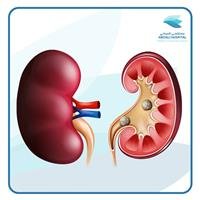
The kidneys filter and cleanse the blood. They also maintain the body’s balance of water, dissolved salts (electrolytes, such as sodium, potassium, and calcium), and nutrients in the blood.
The Nephrons, Glomeruli, and T...
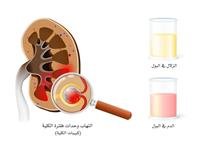
The kidneys have several different types of structures that allow them to filter the blood. When blood flows through the kidneys, it passes through microscopic tufts of blood vessels with small pores (called glomeruli). This process moves a large amount of water and electrolytes and other substances into small tubules (curved, tube-shaped structures). The cells lining these tubules reabsorb and return needed water, electrolytes, and nutrients (such as glucose and amino acids) to the blood. The cells also move waste products from the blood into the fluid (which becomes urine) as it flows through the tubules.
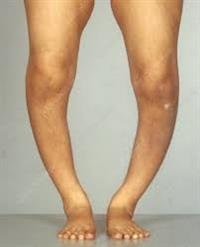
The cells lining the tubules release hormones that maintain blood supply (erythropoietin), blood pressure, and electrolyte balance and also make an enzyme that activates vitamin D (calcitriol). When in its active form, calcitriol is able to help regulate calcium and phosphorus and maintain healthy bone.