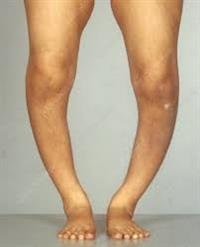
Hypophosphatemic rickets is a disorder in which the bones become painfully soft and bend easily because the blood contains low levels of the electrolyte phosphate.
Hypophosphatemic rickets is caused by defective genes.
Problems with bones and joints begin in early childhood.
The blood and urine are tested, and x-rays are taken of bones.
Some people are given phosphate and vitamin D supplements, and some people are given the medication burosumab.
Hypophosphatemic rickets is a very rare disorder and is nearly always hereditary. It is most commonly inherited as a dominant gene that is carried on the X chromosome, 1 of the 2 sex chromosomes. Because only 1 gene is needed when a dominant gene is involved, 1 of the parents is likely to have the syndrome. Siblings of children with the disorder have a 50% chance of having it. There are several other even rarer forms of hypophosphatemic rickets.
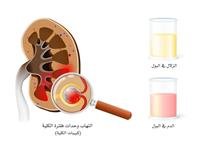
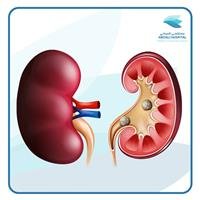
The genetic defect causes a kidney tubule abnormality that allows an inappropriately high amount of phosphate to be excreted into the urine, resulting in low levels of phosphate in the blood. Because bones need phosphate for growth and strength, this deficiency causes defective bones.
In rare cases, the disorder develops as a result of certain cancers, such as giant cell tumors of bone, sarcomas, prostate cancer, and breast cancer. Tumor-induced osteomalacia is a rare cause of hypophosphatemia with rickets in children. This disorder is caused by a secretion of a certain hormone from tumors that are usually noncancerous (benign).
Hypophosphatemic rickets is not the same as rickets caused by vitamin D deficiency.