Gynecologic Laparoscopy
Gynecologic laparoscopy is an native to open surgery. It uses a laparoscope to look inside your pelvic area. Open surgery often requires a large incision.
A laparoscope is a slender, lighted telescope. It allows a doctor to see inside your body. Diagnostic laparoscopy can determine whether you have conditions such as endometriosis or fibroids. It can also be a form of treatment. With miniaturized instruments, your doctor can perform a variety of surgeries. These include:
ovarian cyst removal
tubal ligation (surgical contraception)
hysterectomy
Laparoscopy generally has a shorter healing time than open surgery. It also leaves smaller scars. A gynecologist, general surgeon, or other specialist may perform this procedure.
Reasons for Gynecologic Laparoscopy
Laparoscopy can be used for diagnosis, treatment, or both. A diagnostic procedure can turn into treatment.
Some reasons for diagnostic laparoscopy are
unexplained pelvic pain
unexplained infertility
history of pelvic infection
Conditions that might be diagnosed include
endometriosis
uterine fibroids
ovarian cysts or tumors
ectopic pregnancy
pelvic abscess (pus)
pelvic adhesions (painful scar tissue)
infertility
pelvic inflammatory disease
reproductive cancers
Some types of laparoscopic treatment include
hysterectomy (removal of the uterus)
removal of the ovaries
removal of ovarian cysts
removal of fibroids
blocking blood flow to fibroids
endometrial tissue ablation (endometriosis treatment)
adhesion removal
reversal of tubal ligation (contraceptive surgery)
burch procedure for incontinence
vault suspension to treat prolapse
Preparing for Gynecologic Laparoscopy
Preparation depends on the type of surgery. You may need imaging tests. Your doctor might order fasting or an enema.
Tell your doctor about any medication you take. This includes over-the-counter drugs and supplements. You may need to stop them before the procedure.
Plan to have someone drive you home after surgery. A friend can pick you up or you can schedule a car service. You will not be allowed to drive yourself.
Procedure
Laparoscopy is almost always performed under general anesthesia. This means you will be unconscious for the procedure. However, you may still be able to go
home the same day.
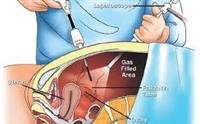
Once you are asleep, a small tube called a catheter will be ed. This collects your urine. Then your abdomen will be filled with carbon dioxide gas. This is done with a small needle. The gas keeps the abdominal wall away from your organs. It reduces the risk of injury.
The surgeon will make a small cut in your navel. The laparoscope will be ed. It transmits images to a screen. This gives your doctor a clear view of your organs.
What happens next depends on the type of procedure. For diagnosis, your doctor might take a look and then be done. If you need surgery, other incisions will be made. Instruments will be ed through these holes. Then surgery is performed using the laparoscope as a guide.
Once the procedure is over, all instruments are removed. Incisions are closed with stitches. Then you will be bandaged and sent to recovery.
Advances in Laparoscopy
Robotic surgery is sometimes used for gynecological laparoscopy. Robotic arms are steadier than human hands. They may also be better at fine manipulations.
Microlaparoscopy is a newer approach. It uses even smaller scopes. This procedure can be done with local anesthesia in your doctor’s office. You won’t be completely unconscious.
Recovery After Laparoscopy
Once the procedure is over, nurses will monitor your vital signs. You will stay in recovery until the effects of anesthesia fade. You will not be released until you
can urinate on your own. Difficulty urinating is a possible side effect of catheter use.
Recovery time varies. It depends on what procedure was performed. You may be free to go home a few hours after surgery. You might also have to stay in the hospital for one or more nights.
After surgery, your belly button might be tender. There may be bruises on your stomach. The gas inside you can make your chest, middle, and shoulders ache. There is a chance that you will feel nauseated for the rest of the day.
Before you go home, your doctor will give you instructions regarding medication and side effects. Your doctor may prescribe pain medication. You may also receive antibiotics to prevent infection.
Depending on the surgery, you may be told to rest for a few days or weeks. It may take a month or more to return to normal activities.
Serious complications of laparoscopy are rare. However, you should call your doctor if you experience:
serious abdominal pain
prolonged nausea and vomiting
fever of 101 degrees F or higher
pus or significant bleeding at your incision
pain during urination or bowel movements
Risks of Laparoscopy
Skin irritation and bladder infection are common side effects of this procedure.
More serious complications are rare. However, they include
damage to the abdominal blood vessel, bladder, bowel, uterus, and other pelvic structures
nerve damage
allergic reactions
blood clots
problems urinating
Conditions that increase your risk of complications include
previous abdominal surgery
obesity
being very thin
extreme endometriosis
pelvic infection
chronic bowel disease
The gas used to fill the abdominal cavity can also cause complications, if it enters a blood vessel.
Pay close attention during the recovery period. Write down any complications and discuss them with your doctor.
Outcomes of Laparoscopy
The results of these procedures are usually good. This technology allows the surgeon to easily see and diagnose many problems. Recovery time is also shorter compared to open surgery.