Pelvic organ prolapse, a type of pelvic floor disorder, can affect many women. In fact, about one-third of all women are affected by prolapse or similar conditions over their lifetime.
What Is a Pelvic Floor Disorder?
The "pelvic floor" is a group of muscles that form a kind of hammock across your pelvic opening. Normally, these muscles and the tissues surrounding them keep the pelvic organs in place. These organs include your bladder, uterus, vagina, small bowel, and rectum.
Sometimes, these muscles and tissue develop problems. Some women develop pelvic floor disorders following childbirth. And as women age, pelvic organ prolapse and other pelvic floor disorders become more common.
When pelvic floor disorders develop, one or more of the pelvic organs may stop working properly. Conditions associated with pelvic floor disorders include:
Pelvic organ prolapse
Urinary incontinence
Anal incontinence
What Is Pelvic Organ Prolapse?
"Prolapse" refers to a descending or drooping of organs. Pelvic organ prolapse refers to the prolapse or drooping of any of the pelvic floor organs, including:
Bladder
Uterus
Vagina
Small bowel
Rectum
These organs are said to prolapse if they descend into or outside of the vaginal canal or anus. You may hear them referred to in these ways:
Cystocele: A prolapse of the bladder into the vagina, the most common condition
Urethrocele: A prolapse of the urethra (the tube that carries urine)
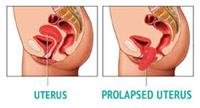
Uterine prolapse
Vaginal vault prolapse: prolapse of the vagina
Enterocele: Small bowel prolapse
Rectocele: Rectum prolapse
What Causes Pelvic Organ Prolapse?
Anything that puts increased pressure in the abdomen can lead to pelvic organ prolapse. Common causes include:
Pregnancy, labor, and childbirth (the most common causes)
Obesity
Respiratory problems with a chronic, long-term cough
Constipation
Pelvic organ cancers
Surgical removal of the uterus (hysterectomy)
Genetics may also play a role in pelvic organ prolapse. Connective tissues may be weaker in some women, perhaps placing them more at risk.
What Are the Symptoms of Pelvic Organ Prolapse?
Some women notice nothing at all, but others report these symptoms with pelvic organ prolapse:
A feeling of pressure or fullness in the pelvic area
A backache low in the back
Painful intercourse
A feeling that something is falling out of the vagina
Urinary problems such as leaking of urine or a chronic urge to urinate
Constipation
Spotting or bleeding from the vagina
Symptoms depend somewhat on which organ is drooping. If the bladder prolapses, urine leakage may occur. If it's the rectum, constipation and uncomfortable intercourse often occur. A backache as well as uncomfortable intercourse often accompanies small intestine prolapse. Uterine prolapse is also accompanied by backache and uncomfortable intercourse.
How Is Pelvic Organ Prolapse Diagnosed?
Your doctor may discover pelvic organ prolapse during a routine pelvic exam, such as the one you get when you go for your Pap smear. Your doctor may order a variety of tests:
Urinary tract X-ray (intravenous pyelography)
CT scan of the pelvis
Ultrasound of the pelvis
MRI scan of the pelvis
How Is Pelvic Organ Prolapse Treated?
Treatment of pelvic organ prolapse depends on how severe the symptoms are. Treatment can include a variety of therapies, including:
Behavioral treatments, such as doing Kegel exercises designed to strengthen the pelvic floor muscles
Mechanical treatments, such as ing a small plastic device called a pessary into the vagina to provide support for the drooping organs
Surgical treatment, either to repair the affected tissue or organ or to remove the organ (such as removal of the uterus by hysterectomy)
Can Pelvic Organ Prolapse Be Prevented?
Many risk factors for pelvic organ prolapse are out of your control. These include
Family history
Advancing age
A difficult vaginal delivery
Having had a hysterectomy
But you can reduce the likelihood you will have problems. Try these steps
Do Kegel exercises daily to maintain good muscle strength in your pelvic area
Maintain a healthy weight
Avoid constipation
Do not smoke, as smoking can affect tissues, and a chronic cough often seen in smokers boosts the risk of problems