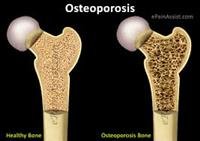
The spine, hips, and wrist are the most common places for a fracture when you have osteoporosis. Here's what to expect if it happens to you.
Spinal Compression Fractures
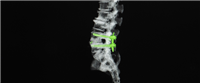
This is a break of one or more of your vertebrae, the small bones in your spine. If you have osteoporosis, sometimes just the simple act of bending over, coughing, or lifting something heavy may cause it.
If your compression fracture is minor and develops over a long time, you may not have any symptoms. If that's the case, it may heal on its own. You might not learn about it unless you have an X-ray of the area for other reasons.
Pain often goes along with a compression fracture. You'll feel it along the spine, usually in your middle to lower back. It often gets worse when you stand or sit for a long period and gets better when you lie down.
You may also notice that you're getting a little shorter. And you could get a curved spine or humped back, which may be a sign that you have more than one compression fracture.
Hip Fractures
Some warning signs that you've got a fracture are
Pain in your hip
Swelling or bruising
You can't walk or stand normally
The leg on your injured side looks shorter or twisted
The pain can vary a lot. You might only have mild discomfort, or it could hurt so much that you can't walk.
Sometimes the bones of your hip are so weak from oseoporosis that even an ordinary activity causes a hairline break. If you have this type of fracture, you'll still be able to stand and walk, but you may feel pain in your groin, bottom, knee, or thigh.
Wrist Fractures
This often happens when you land on your outstretched hand as you try to stop yourself from hitting the ground after a fall.
You'll have symptoms like
Pain, swelling, or bruising in your wrist or the base of your thumb
Your wrist bends at an unnatural angle
It hurts when you try to grip something in your injured hand