radiologists and the diseases that treat them
Many diseases require surgical interventions and dangerous operations that may succeed and one of them may fail, and with the development of science and the emergence of modern technology and medical machinery, thinking began to find treatments that eliminate diseases without endangering the patient.
Among these treatments began using a type of radiation called interventional radiation, which has proven its efficiency in treating many diseases, through the use of some techniques that cut the skin.
The eighth annual conference of the Egyptian Liver Cancer Society will be held next Wednesday, headed by Dr. Ahmed Al-Dury, Professor of Diagnostic Radiology at Ain Shams University. The conference will discuss the role of interventional radiology in treating liver tumors.
In this report, we monitor the definition of interventional radiology and a presentation of diseases that contribute to its treatment:
Interventional Radiology
Interventional Radiology, or Interventional Radiology, is an independent medical specialty that separated from radiology after it was a sub-specialty, and years ago, reliance on this science began to diagnose and treat many diseases in all parts of the body, through some techniques that cut the skin with the aim Reducing the risks to patients and improving their health.
How the interventional radiology system works
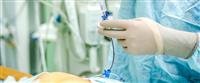
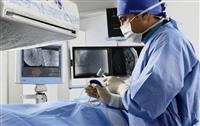
The basis for interventional radiology is based on the imaging of the human body, by specialized devices so that the body is imaged to reach the location of the tumor,
Then enter it either through the veins or arteries or by entering some organs such as the "liver" by using catheters or heat-frequency sensors, then performing a process similar to the navigation process inside the patient''s body, until the target is reached whether it is a tumor or arterial malformation or Other, and the work system of those rays depends on the presence of advanced diagnostic radiology devices, such as, CT scans, sound waves, and catheters, as you need accurate tools such as, thermal frequency sensors, medical microwave, arterial and venous catheters.
Diseases treated with interventional radiologists
Interventional radiology contributes to treating many diseases in different locations in the body, as it treats:
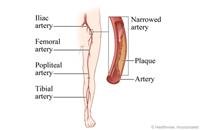
1- Vascular diseases: The use of interventional radiology in the treatment of vascular diseases is to treat varicose veins, peripheral artery disease, deep venous thrombosis, pulmonary embolism, lower vena cava filter, abdominal aortic aneurysm, thoracic aortic aneurysm, aortic dissection, and ischemic medicine Acute, acute intestinal thrombosis, and aneurysm in the visceral arteries, as well as venous arteriovenous malformation.
2- Oncology: Interventional radiology is used in the treatment of a group of malignant and benign tumors, the most important of which is especially in Egypt. Malignant and spreading liver tumors due to the prevalence of cases of infection with C virus and hepatic fibrosis, and are used in the treatment of some secondary tumors in the liver and secondary lungs, as well as in some other benign tumors in the body, such as fibroids. Uterine and some bone tumors, where the interventional radiology gives an opportunity for a patient to get rid of a completely malignant tumor, without surgery. Interventional radiology is used to treat some types of cancer, including: Cancer of the liver, lung, kidney, bone, and breast, in addition to its role in the treatment of prostate cancer.
3- Neurological diseases: Interventional radiology is included in the treatment of some neurological diseases, as it is used to treat cardiac arrest, carotid artery stenosis, and multiple sclerosis, in addition to diseases of the spinal cord.
4- Bile liver diseases: Interventional radiology contributes to the treatment of portal hypertension and bile duct obstruction.
5 gynecology: where these rays help in the treatment of uterine myoma, pelvic congestion syndrome, in addition to its role in the treatment of female infertility.
6- Kidney diseases: treating both: narrowing of the renal artery, elimination of sympathetic renal innervation, and some other diseases including: stomach varices, testicular varices and male infertility.
The percentages of cases treated with interventional radiology
There are no statistics on the number of patients treated with interventional radiology, but some reports indicate that a large number of patients have become greatly interested in that treatment, especially since with the development of science and modern methods it has become possible to reach very difficult places and deal with tumors and tissues in Very accurate, which doubled the rates of recovery.