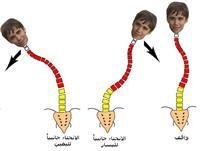

extent of the nerve involvement
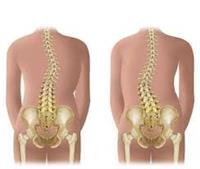
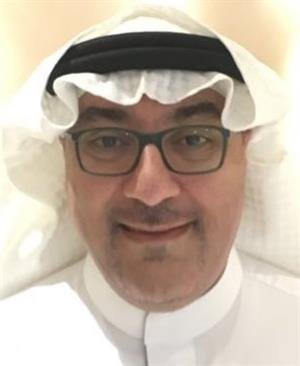
Dr. Mehdi Busi, an orthopedist and a specialist in the spine, explained that there are multiple causes and different diseases that help in arching the back forward and bending it at times, pointing out that these curvatures are accompanied by some symptoms such as back pain, muscle weakness and weakness of the sensory nerves, and thus the human movement and ability are affected. Productivity .
The spine consists of 33 bony vertebrae, divided into groups, 7 vertebrae for the neck, followed by 12 dorsal vertebrae, 5 lumbar vertebrae, 5 sacral vertebrae and finally 4 coccygeal vertebrae, and most of the bony vertebrae are separated by a cartilage joint (disc) that helps in flexibility of movement of the spine, shock absorption, and shape The geometry of the bony vertebrae and the cartilage joint both help in forming the natural curves of the spine, where the curvature of some parts of the spine ranged from 20 to 60 degrees depending on the location of the curve, the human age and other natural factors.
The reasons that lead to increased curvature are
Injury and fracture of the vertebrae as a result of an accident or a fall from a height, and some spine operations from its complications increase the arching of the back forward, and after treatment of some tumors by radiation, rheumatism of the joints and the spine, and some bacterial infections that affect the spine, and the erosion and roughness of the cartilage joints for several reasons
Osteoporosis, some types of tumors that affect the spine, some congenital diseases that occur from birth, diseases that affect muscles and cause an imbalance in muscle balance, some inherited diseases such as dwarfism, and some neurological diseases that affect the function of nerves and their control in the motor and balance muscles.
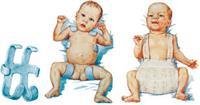
The treatment methods are done either by leaving the curvature as it is if the degree of curvature does not constitute an obstacle or does not give symptoms that affect the motor and sensory nerves, or by placing a belt around the body in order to prevent the development and increase of the curve and this type of treatment in most cases the patient complains about because of the size of the belt, which is It is not comfortable to sit for a long time and causes inconvenience to the patient, especially if the size of the belt does not match the size of the patient''s body,
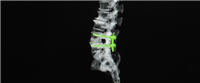
But if the matter requires surgical intervention, doctors have recently begun to make attempts to reduce the complications that were occurring in previous operations, and they reached the latest methods currently used, which are called Qifu plasti, by performing a surgery from the back with a wound of a length of one centimeter and requires that for each paragraph Two wounds on both sides of the paragraph, ing a balloon into the concerned paragraph with a metal arm, and inflating the balloon inside the paragraph in order to a void inside the paragraph and also to try to amend and raise the ceiling of the paragraph to its natural level so that the paragraph shape is a cube instead of the triangular shape, and then the space that occurred because of the balloon is filled With a medical cement material to support the vertebra, and this process that takes one hour for each vertebra has led to amazing results with a marked reduction in pain, with a marked modification in the curvature of the back, and a small percentage of side effects and post-operation complications, and in most cases the patient can leave Hospital on the same day as soon as his health permits,
In order to complete the success of the operation, coordination begins with the specialized doctors to start medical treatment to reduce the percentage of osteoporosis, in contrast, open operations require hospitalization for a period of three to seven days with slow healing, and the length of the wound sometimes reaches more than 20 cm.
Science has developed, treatment methods have developed, and medicine has developed a lot
This is confirmed by many doctors and consultants
Among them were Dr. Mahdi Bassi, a vertebral consultant at King Fahd Hospital in Jeddah, Dr. Khaled Batterjee, Dr. Khaled Jamjoom and Dr. Faisal ... I do not want to forget one of their names (a medical team met with them to meet with them and that is in the matter of searching for the disease of the sclerosis.