a neurodegenerative disease!
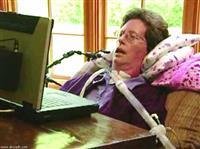
Rare and more common in men than in women .. Some ALS patients need a ventilator. Some ALS patients need a ventilator. In the recent period, the media has dealt with some interest in the "Ice Bucket Challenge" campaign to collect donations for patients with Lateral Sclerotic Muscle Atrophy (Amyotrophic lateral) sclerosis [ALS]) which we will call in this article ALS for the convenience of the reader. As a contribution from us in this campaign, we will inform the dear reader in this clinic with ALS, and we will review the sleep disorders that affect this group of patients.
What is ALS?
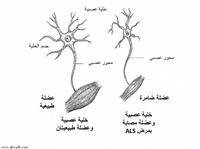
ALS is a degenerative neurological disease in which symptoms gradually increase. The disease affects nerve cells responsible for movement in the neck of the brain and spinal cord, which are the cells responsible for transmitting motor commands from the brain to the various muscles in the body. And the influence is gradually and steadily, as mentioned above, which leads to muscle weakness and inability to move. When these cells die, the patient becomes completely paralyzed. The name of the disease is derived from the ancient Greek language, as it reflects the mechanism of disease occurrence. The disease causes muscle atrophy due to the inability to move as a result of the death of the nerve cells responsible for movement. The lateral term reflects the location of the neurons responsible for movement on both sides of the spinal cord. A sclerosis reflects the scars and stiffness that appear in the motor nerves in the spinal cord.
Symptoms of the disease
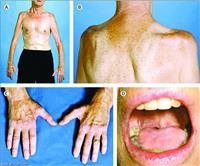
The disease affects people between the ages of 40-70 years, and the average age at diagnosis is 50 years. It is a rare disease, but it is more common in men than in women. The primary symptoms of the disease consist of weakness in the muscles, especially the muscles of the extremities, and difficulty speaking and swallowing due to muscle weakness. As a result of the inability of the muscles to move, their tissues atrophy and the limbs appear scanty. The body has different types of nerves, some of them motor and some of them for sensation, and this disease affects the nerves of movement. And movement is through the muscles. The muscles in the body are divided into two types: Voluntary movement type, meaning that a person can control muscles such as limb muscles and speech muscles. It is these muscles that are affected by the disease. But there are other muscles that a person cannot control, such as the heart muscle and the muscles of the digestive system, and these muscles are not usually affected by ALS. As for the muscles of the respiratory system, they are affected in advanced cases, which forces doctors to put the patient on a ventilator.
Other symptoms of ALS include muscle stiffness, pain and spasms, constipation and depression, and sleep disturbances that we will talk about.
What are the causes of ALS?
The causes of the disease are not known yet. There is a possibility that the disease is immune. The severity of the disease varies from one patient to another. While the progression of the disease is rapid for some, its progression is very slow for others.
what are the treatments ways?
Unfortunately, there is no cure for ALS. One treatment that has received approval is riluzole (Rilutek), as this treatment slows down the disease''s progression. But there is a lot of research being done on new drugs.
There are supportive therapies for ALS patients that help relieve the symptoms of the disease, including:
Respiratory care
• natural therapy
Speech therapy
Food support
Psychosocial support
Sleep disturbances in patients with ALS
Like most diseases that affect the nervous system, ALS has multiple sleep disturbances, which increases patients'' suffering. In a 2011 study published in the journal J Neurol Neurosurg Psychiatry on 100 patients with ALS, the results showed the following symptoms:
Frequent urination at night (54%)
Interrupted sleep and difficulty sleeping at night (48%)
Nocturnal muscle cramps (45%)
Snoring (33%)
Insomnia (32%)
Restless legs at night (unstable leg movement syndrome) (22%)
Increased daytime sleepiness (23%)
Difficulty changing position (52%)
Because the muscles of breathing are affected, ALS patients are prone to sleep apnea. Where patients are prone to lack of ventilation (impaired breathing) during sleep due to weak breathing muscles. This results in a high level of carbon dioxide and a decrease in the level of oxygen in the blood during sleep. This causes morning headaches and increased sleepiness. It also affects the quality of sleep, as it causes disconnection and a decrease in the stage of dreams, especially if the diaphragm muscles are affected by the disease and a lack of deep sleep as well. If the condition progresses, it may cause pulmonary hypertension and hypoxia during the day. Therefore, it is necessary to make a sleep mapping for ALS patients at an early stage to detect changes in breathing during sleep and treat them at an early stage.
Muscle atrophy is the most prominent manifestation of the disease
Chest Diseases Consultant
Ahmed Salem Bahamam