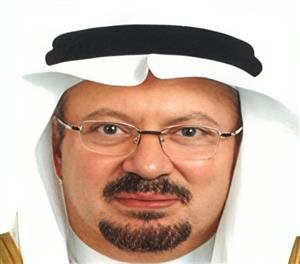

The difference between medical errors and complications, indicating that mistakes after surgery are divided into two types. Errors are a result of the doctor’s lack of experience or negligence. Professor Ahmed Aref Kinsara, President of the Saudi Scientific Society of General Surgery, Consultant and Professor of General Surgery and Laparoscopic Surgery at the College of Medicine at King Abdulaziz University, explained the difference between medical errors and complications, indicating that errors after surgical operations are divided into two types, errors due to the doctor’s lack of experience or negligence. The complications that occur after surgery depend on the location and type of surgery. There are complications that may occur during the operation and another that occurs after, for example, thyroid surgery, in which complications occur during the operation, such as the occurrence of severe bleeding that requires a blood transfusion to the patient.
As for the short-term complications of such an operation, it is the occurrence of suffocation for the patient after the operation as a result of blood clusters at the site of the operation that put pressure on the bronchial tubes that lead to the air of breathing, and in this case the surgeon must promptly intervene to remove the blood pools, and care must be taken during the operation to secure the blood vessels to avoid the occurrence of bleeding and possible difficulty breathing either Because of congestion around the nerve of the vocal cords, the congestion disappears after a period of time or lasts in the event of cutting the nerve, and in both cases an opening in the neck is needed to the windpipe urgently to save the patient.
In answer to a question about the necessity of notifying patients of complications, Dr. Kinsara said: The doctor must explain to the patient the nature of the operation and all the complications that may occur, but unfortunately many doctors do not perform this important role for fear that the patient may resort to another doctor.
And about cases that do not pose a risk in performing the operation but are subject to death, such as rerouting or liposuction and the like, he replied: Everyone must know that obesity in some people represents a threat to their lives by its effect on the heart and lane change operations or others that are performed for obese patients It has its complications as well as its benefits.
Dr. Kinsara added: greed has spread among some doctors, as they work to encourage the obese patient to perform obesity surgeries even if the case does not require. And on how to avoid medical errors, he explained several points, including: the doctor’s consideration of his professionalism, conscience, his oath that he performed, sincerity in work, concern for the patient and making him Like one of his relatives, and who has no experience in conducting any particular operation, he should not take the risk, and he also requests the contracting committees to fear God and use the best elements regardless of profit, wages, etc., as well as permanent work on evaluating workers in the profession.