
fluids
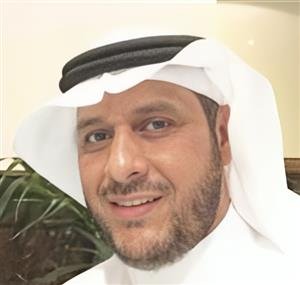
And not to stay in the sunshine, Dr. Abdullah Abdul-Bari Bahamid, consultant emergency medicine, considered that one of the most prominent health conditions and problems that require immediate attention from the pilgrim is chest pain, which could be a result of angina or a stroke in the heart, God forbid. Therefore, care and caution must be taken in that. He added that heat stress is a common problem during Hajj and continuous and prolonged exposure to sunlight. Which leads to fatigue, extreme fatigue and severe muscle pain, and therefore it is necessary to take adequate fluids and not stay in the sun for long periods, and to visit the nearest health center to receive the necessary treatment.
Dr. Bahamid confirmed that one of the most prominent health problems that require a visit to the emergency department immediately are cases of food poisoning as a result of eating exposed foods, and he advised not to buy foods from street vendors, and to ensure public hygiene and wash hands with soap and water, in addition to washing vegetables and fruits well, and also asthma diseases. And the accompanying infections are among the most important problems that make the pilgrim need to visit the emergency department. As asthma diseases increase during Hajj as a result of exposure to dust, congestion and dehydration, and therefore it is imperative to take the necessary medicines from sprays and others, while performing Hajj, and to visit the nearest health center when needed.
This came while the National Center for Health Information and Awareness at the Ministry of Health hosted Dr. Abdullah Abdul-Bari Bahamid within the service of "The Health of the Guests of Rahman ... We Have an Address" launched by the Ministry of Health for the eleventh year in a row, as part of the free telephone consultation services that the Ministry of Health''s Media Department is keen to activate every General, through the center''s toll-free number 8002494444 and the Ministry of Health account on Twitter @saudimoh.
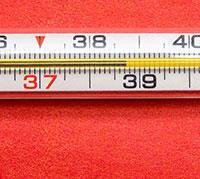
On the extent of the seriousness of the injuries resulting from high temperature, Dr. Bahamid said that there are minor symptoms, including fatigue, nausea and vomiting, and muscle pain, and severe and dangerous symptoms, including fainting, convulsions, kidney failure, liver failure, and also the occurrence of poisoning in the blood.
The emergency medicine consultant advised pilgrims to visit the treating doctor before Hajj and make sure that some necessary checks are made, and to make sure that the necessary and necessary medicines are taken with the pilgrim and put them in a special bag, in addition to the importance of taking medicines as scheduled, not to be exposed to the sun for a long time, and using sun-protective umbrellas. In addition to drinking adequate quantities of fluids, and visiting the nearest health center when needed.
Dr. Bahamid emphasized that there are some medicines that must be provided in the Hajj bag in addition to the daily medicines for chronic diseases, including painkillers such as pendulums, medicines to cleanse wounds, skin patches, some ointments and creams that are used to prevent skin dissection.
The consultant stressed that in the event that one of the pilgrims loses consciousness, God forbid, it is imperative to contact and seek help from health professionals to provide quick and direct assistance, and not to turn around and gather around the unconscious, which may lead to the occurrence of greater problems than that, and try to help the ambulance crew To transport the patient to the health center as much as possible, and not to move the patient Because he does not know the cause of fainting, and it may be the result of one of the injuries .. and moving the patient in this case may be dangerous, especially since as a result of severe crowding during the Hajj, the pilgrim may suffer some injuries, including some fractures of the bones, God forbid.
The center will host tomorrow, Wednesday, 11/29/1435 AH, corresponding to 9/24/2014 AD, Dr. Nouf Al-Khamis, Consultant of Allergy and Immunology, from one in the afternoon until three in the afternoon To respond to the public of the National Center for Information and Health Awareness regarding the symptoms of allergies and the problems that may be exposed to pilgrims, and how to prevent them and deal with them in the event that they occur, God forbid.