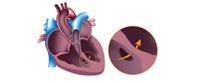

A ventricular septal defect (VSD), a hole in the heart, is a common heart defect that''s present at birth (congenital). The hole (defect) occurs in the wall (septum) that separates the heart''s lower chambers (ventricles) and allows blood to pass from the left to the right side of the heart. The oxygen-rich blood then gets pumped back to the lungs instead of out to the body, causing the heart to work harder.
A small ventricular septal defect may cause no problems, and many small VSDs close on their own. Medium or larger VSDs may need surgical repair early in life to prevent complications.
Symptoms
Signs and symptoms of serious heart defects often appear during the first few days, weeks or months of a child''s life.
Ventricular septal defect (VSD) symptoms in a baby may include
Poor eating, failure to thrive
Fast breathing or breathlessness
Easy tiring
You and your doctor may not notice signs of a ventricular septal defect at birth. If the defect is small, symptoms may not appear until later in childhood — if at all. Signs and symptoms vary depending on the size of the hole and other associated heart defects.
Your doctor may first suspect a heart defect during a regular checkup if he or she hears a murmur while listening to your baby''s heart with a stethoscope. Sometimes a VSD can be detected by ultrasound before the baby is born.
Sometimes a VSD isn''t detected until a person reaches adulthood. Symptoms and signs can include shortness of breath or a heart murmur your doctor hears when listening to your heart with a stethoscope.
When to see a doctor
Call your doctor if your baby or child
Tires easily when eating or playing
Is not gaining weight
Becomes breathless when eating or crying
Breathes rapidly or is short of breath
Call your doctor if you develop
Shortness of breath when you exert yourself or when you lie down
Rapid or irregular heartbeat
Fatigue or weakness