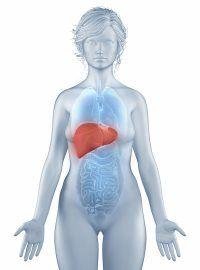
Other names: Hepatitis C Hepatitis The liver is one of the important vital organs in the human body that helps purify the body from toxins, secrete bilirubin, break down carbohydrates, fats and proteins, and many other important functions. But some people may have a viral infection or other possible causes
It may lead to hepatitis, which in turn negatively affects liver function.
Learn with us in this article the important details about hepatitis
Lever Inflammation
Symptoms of hepatitis
Symptoms of acute hepatitis include
fever.
Tired.
Flu-like symptoms.
pale stools
Abdominal pain.
nausea
vomiting
dark urine
Interval pain.
Anorexia.
Unexplained weight loss.
Jaundice is a yellowing of the skin and eyes.
Symptoms may begin within two weeks to six months after infection, but some people with hepatitis B or hepatitis C may not develop any symptoms until the damage affects liver function, that is, many years later.
Causes and risk factors for hepatitis
Among the main causes that may lead to hepatitis, are the following
Alcohol and toxins
Alcohol directly affects the liver cells, and over time excessive alcohol consumption leads to inflammation and damage to the liver, called alcoholic hepatitis.
Excessive use, drug overdoses, and exposure to toxins are among the main causes of hepatitis.
autoimmune system response
In some cases, the liver''s immune system attacks the liver as a harmful organism and often impairs liver function, thus causing persistent hepatitis that may range from mild to severe.
It is 3 times more common in women than in men.
Hepatitis A causes
Hepatitis A is most often caused by infection with the hepatitis A virus, which is transmitted by ingesting food or water contaminated with the faeces of a person with hepatitis A.
Causes of hepatitis B
Hepatitis B is transmitted through contact with body fluids that contain the hepatitis B virus, such as: blood, vaginal secretions, or semen, and drug use through injections, sex with an infected person, or sharing razors. Increased risk of hepatitis B infection.
Hepatitis C causes
Hepatitis C comes from the hepatitis C virus, and is most often transmitted through direct contact with infected body fluids, such as injection drug use or sexual contact.
Hepatitis C is one of the most common blood-borne viral infections.
Hepatitis D causes
Hepatitis D, also known as delta hepatitis, is a serious disease caused by the hepatitis D virus.
It is transmitted through direct contact with infected blood, and this type is rare and may only occur in conjunction with hepatitis B.
Hepatitis E causes
Hepatitis E is caused by the hepatitis E virus, which is transmitted through water, especially in places with poor sanitation.
Complications of hepatitis
Hepatitis B or hepatitis C often leads to more serious complications, such as
Chronic liver disease.
cirrhosis of the liver
Liver Cancer.
Also, when the liver stops working properly, it may lead to liver failure, which causes many complications, including:
Bleeding disorders.
Ascites is the accumulation of fluid in the abdomen.
Portal hypertension.
Kidney failure.
Hepatic encephalopathy.
Hepatocellular carcinoma.
Death.
Diagnosis of hepatitis
It includes the following
1. Physical examination
The doctor takes the patient''s medical history and identifies risk factors that may increase the risk of developing infectious and non-infectious hepatitis.
During the physical exam, the doctor gently presses on the abdomen to see if there is pain, to check if the liver is enlarged, and to check if the skin or eyes are yellow.
2. Liver function tests
Liver function tests are used through a blood test to check how well the liver is working, and when abnormal results appear in these tests, this indicates a problem.
Elevated levels of liver enzymes may indicate a problem with the liver, damage to the liver, or that it is not working properly.
3. Other blood tests
If the results of liver function tests are abnormal, your doctor may recommend other blood tests to find the main cause of hepatitis.
As blood tests detect the viruses that cause hepatitis, and detect whether there are specific antibodies in the case of autoimmune hepatitis.
4. Ultrasound imaging
An abdominal ultrasound is used to a detailed picture of the organs inside the abdomen, as it may reveal:
Abdominal fluid.
liver damage
Hepatomegaly.
Liver tumors.
Gallbladder abnormalities.
5. Liver biopsy
Sometimes the doctor takes a biopsy of liver tissue or any other areas of the liver that appear abnormal by ing a needle through the skin, meaning that the procedure does not require surgery.
This procedure reveals how infection or inflammation has affected the liver.
Hepatitis treatment
Treatment is determined based on the type that the patient suffers from, and whether the infection is acute or chronic, and includes the following:
1. Treatment of autoimmune hepatitis
Some medications are most often used to treat autoimmune hepatitis, including
Corticosteroids, such as: Prednisone or Budesonide.
Azathioprine to suppress the immune system during treatment, and other immunosuppressive natives can be used, such as: Mycophenolate, Tacrolimus, or Cyclosporine.
2. Hepatitis A treatment
Hepatitis A often does not require treatment because it is a short-term illness, but in general, a doctor may recommend bed rest, especially if the patient is experiencing fatigue, vomiting and diarrhea.
The hepatitis A vaccine can also be taken to prevent this infection. The vaccination usually begins at the age of 12-18 months, and sometimes it may be combined with the hepatitis B vaccine.
3. Hepatitis B treatment
There is no specific treatment for chronic hepatitis B, but antiviral medications are often prescribed and treatment may last for months or years.
Treatment also requires medical evaluations and regular monitoring to check whether the patient is responding to treatment.
It is often recommended that all children and health care workers be vaccinated with the hepatitis B vaccine.
4. Hepatitis C treatment
Antiviral medications are used to treat acute and chronic cases of hepatitis C, and people with chronic hepatitis C are usually treated with a combination of antiviral medications.
In cases that reach cirrhosis as a result of hepatitis C, they may be candidates for liver transplantation.
To date, there is no vaccine against hepatitis C.
5. Hepatitis D treatment
So far, there are no antiviral drugs to treat hepatitis D, but interferon alfa-2b may be used, as it shows an improvement of 25-30%.
It can be prevented by vaccination against hepatitis B as it prevents the development of hepatitis C.
6. Hepatitis E treatment
At the moment, there are no specific treatments for hepatitis E, as the infection is severe, so it often goes away on its own.
Your doctor may recommend getting enough rest, drinking plenty of water and fluids, and getting enough nutrients.
It is also worth noting that if a pregnant woman develops hepatitis E, she may need extreme health care and monitoring.
Hepatitis prevention
Among the most important prevention methods, especially when traveling to a country where hepatitis A or hepatitis E is common, are the following: Avoiding local water and raw foods, such as: meat, vegetables, and raw fruits.
While hepatitis B, C and D can be prevented by: not sharing razors, not using someone else''s toothbrush, avoiding contact with blood, and using condoms when having sex.
Common types
There are 5 types of viral hepatitis, and each type is different from the other, get to know them:
Hepatitis A (hepatitis A).
Hepatitis B (B).
Hepatitis C.
Hepatitis D (hepatitis D).
Hepatitis E.
It is worth noting that hepatitis A is an acute, short-term disease, while hepatitis B, C and D are mostly persistent and chronic, and hepatitis E is acute and dangerous, especially for pregnant women.