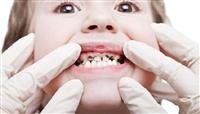

Does your child suffer from gingivitis? In this article, you have everything you care about gingivitis in children. Gingivitis is one of the common gum diseases in different age groups. Continue reading the following article to learn about gingivitis in children: Gingivitis in children Children at an early age are exposed to gingivitis.
gum, and the severity of this inflammation to a varying degree may develop into periodontitis in the age of puberty.
Gingivitis in children usually starts with swollen gum tissue, turning it red, and can bleed easily.
Neglecting this inflammation, not visiting the dentist routinely, and not following the dental cleaning system properly may cause more serious gum diseases, such as: periodontitis resulting from neglected periodontitis, causing what comes in adolescence and adulthood:
Inflammation affects the first molars and incisors.
Acute loss of alveolar bone.
Tooth loss.
Symptoms of gingivitis in children
Signs and symptoms of gingivitis in children include
Bleeding when brushing teeth.
Swelling and swelling of the gums.
The color of the gums has changed to a darker color or dark red.
Very bad breath even after brushing your teeth.
Recession and receding of the gums, which leads to the emergence of the roots of the teeth and appear longer.
Causes and factors that increase gingivitis
Gingivitis in children develops when the growth of bacteria increases in the mouth and gums, especially in the spaces between the teeth and in the tissues surrounding the gums. These bacteria damage and irritate the gums.
Among the most common causes and factors that increase the risk of gingivitis in children are the following:
1. Poor oral hygiene
Oral and dental hygiene is one of the most important reasons that protect or help prevent gingivitis, and neglecting brushing and flossing leads to stimulating gingivitis in all age groups, most notably children.
2. Mouth breathing
Mouth breathing can dry out the mouth and gums from playing, which can lead to gum disease over time.
3. Plaque buildup
Gingivitis arises due to the accumulation of plaque on the teeth and gums, causing irritation and swelling in the gums in the long run if the plaque is not removed.
5. Malnutrition
Malnutrition is one of the most important factors that contribute to an increase in the risk of gingivitis in children, as children prefer to eat sweets and sugars a lot, which makes the body vulnerable to infection, and increases the accumulation of plaque on the teeth, which facilitates the occurrence of gingivitis in children.
6. Nervous stress
Stress and constant nervous pressure weaken the immune system, increasing the chance of infections in the body, and the association between stress and poor oral hygiene together contribute to the occurrence of gingivitis over time.
Diagnosis of periodontitis in children
When visiting the doctor, the doctor will depend on the diagnosis of symptoms present in the child, such as: the presence of plaque, swelling and redness of the gums.
He or she may check for signs of gingivitis through x-rays or a periodontal examination.
Treatment of gingivitis in children
Early diagnosis is very important in the effectiveness and possibility of treating gingivitis, as follow-up when gingivitis occurs in a child reduces the risk of more serious gum disease at puberty, and among the treatment methods for gingivitis are the following:
Deep cleaning: By removing plaque and tartar from the teeth and gums.
Dispensing antibiotics: This is to eliminate bacteria and inflammation, and it may be in the form of pills or mouthwash.
Surgery: Some advanced cases of periodontitis may need to open and clean the gums.
Gum vaccination: the doctor resorts to it when the gingivitis is severe and the gum tissue cannot be sutured after cleaning, so he takes tissue from the healthy area of the gums and sutures it in the place of the inflammation.
Prevention of gingivitis in children
Possible preventive methods include
Ensure that the child is taught the correct way to brush the teeth, repeat it twice a day, and commit to using floss to clean the spaces.
Commit to a routine visit to the dentist at least every six months.
Make sure to clean the teeth at the doctor every once in a while to remove the layer of plaque that is difficult to clean with brushing and flossing.
Continuous home examination of the child and ensuring the integrity of the teeth and gums, and the absence of any symptoms of swelling, bad smell or bleeding.