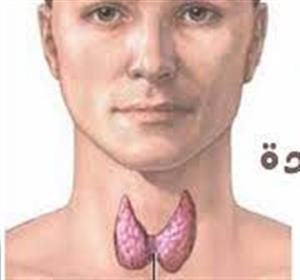

We often hear about hypothyroidism, perhaps because it is the most common, but what about hyperthyroidism? Below are the details. The thyroid gland is located at the bottom of the neck and is small in size, which is similar to the shape of a butterfly, but its effect is very basic to the body.
Hyperthyroidism, with another name called Graves'' disease, means that it will produce a certain hormone in an excessive amount. This hormone is called thyroid hormone and is responsible for the metabolism process. Continue reading this article to learn more about this disease:
What are the symptoms of hyperthyroidism?
Hyperthyroidism speeds up your metabolism, causing you to feel some symptoms that include the following:
Constant agitation and lack of control over the feeling of tension, anxiety, and exaggerated emotions.
mood swings
Exhaustion and a feeling of constant fatigue.
Heat sensitivity.
Thyroid enlargement or swelling below the jaw.
Rapid and irrational weight loss.
Irregular heartbeat.
Bowel contractions and movements.
Trembling in the hands and extremities.
difficulty sleeping
thinning of the skin
Hair thinning and fragility.
Menstrual disturbances.
These symptoms are less visible in the elderly, while some symptoms distinguish them in particular, such as: a rapid heartbeat, sensitivity to different temperatures, and a feeling of fatigue more.
At the beginning of hyperthyroidism, you may feel exactly the opposite, as you may feel very active and energetic, due to the acceleration of the photosynthesis process, but with time, the cells will begin to feel a lack of nutrition in them, and your body will begin to weaken and become weak.
In general, hyperthyroidism develops gradually, but if it strikes you at a young age, you will feel the symptoms suddenly.
What are the causes of hyperthyroidism?
There are a group of reasons that may be the cause of hyperthyroidism, which include the following:
1. Immune system disorder
It is the most common cause of hyperthyroidism, particularly targeting women under the age of 40.
In addition to the aforementioned symptoms, hyperthyroidism is also characterized by the following symptoms:
Swelling and exophthalmos in the eyes.
A feeling of severe pain and pressure in the eyes.
The eyelids bulge and retract to reveal the eyes.
High sensitivity to light.
Weakness and even loss of vision.
In rare cases, these symptoms extend until they reach redness in the skin and feet.
2. Thyroid nodules
It is an abnormal growth in the thyroid gland that leads to the secretion of a large amount of its hormone.
3. Thyroiditis
It is an inflammation caused by a virus or bacteria that causes the thyroid gland to fight the autoimmune system, causing it to secrete an excess of thyroid hormone.
Among the less common causes of hyperthyroidism is the intake of foods and medications that contain iodine in large amounts. Iodine appears to stimulate the production of thyroid hormone.
Treating hyperthyroidism
There are basically three ways to treat hyperthyroidism. Doctors initially resort to treatment with thyroid inhibitors and radioactive iodine, and in rare cases they find no better solution than recommending surgery, in the following details:
1. Radioactive iodine therapy
The first proposed treatment for this disease is radioactive iodine, while if you suffer from a wide range of its symptoms, the doctor would prescribe gland suppressants before that and then decide if there is a need for iodine.
Usually, the doctor prescribes radioactive iodine if the patient suffers from hyperthyroidism and is over 50 years old, or in cases of thyroid nodules, while the doctor completely refrains from prescribing this treatment if:
The patient was pregnant, or planning to become pregnant, before 6 months had passed since taking radioactive iodine.
The woman was breastfeeding.
The patient was complaining of thyroiditis or temporary hyperactivity.
2. Medications that suppress the work of the thyroid gland
The work of these drugs is mainly to inhibit and reduce the work of the thyroid gland, and thus reduce the production and secretion of the hormone.
However, the risks of these drugs are usually shaped by the fact that their effect extends to inhibiting the production of white blood cells from the marrow, which leads to a significant weakening of immunity.
3. Surgery
In the event that none of the previous two treatments succeeded in reducing the activity of the thyroid gland, the doctor finds himself obliged to offer the option of surgery.
The surgery aims to remove the thyroid gland This is because its presence will not allow controlling the secretion of the glandular hormone, while the patient then resorts to taking this hormone as a medicine in quantities that suit his body mass.
Even if the symptoms of this disease are portable and not disturbing, its long-term continuation poses a serious danger to your body and destroys it, so we advise you to go to your doctor and not be afraid to face the disease.