you
You must have heard of viral or bacterial pneumonia, but what do you know about fungal pneumonia? Here''s everything you need to know about it.
Fungal pneumonia, its causes, symptoms, methods of diagnosis and treatment, and other important information you will find in the following article:
Fungal pneumonia
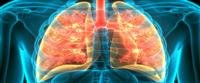
Fungal pneumonia is a fungal infection that affects the air sacs in both lungs or one of them, causing inflammation in the air sacs and filling them with purulent fluids or pus, which stimulates the patient to cough in addition to feeling difficulty breathing, chills, and many other symptoms.
Fungal pneumonia is the most common type of pneumonia in patients with weakened immune systems or chronic diseases.
There are many sources of fungi that cause pneumonia, such as soil or bird pings, and the sources vary according to geographical location.
Causes of fungal pneumonia
Fungal infection may occur after inhalation of spores of certain fungi or through reactivation of a latent infection. The fungi that cause fungal pneumonia can be classified as follows:
1. Endemic fungal infection
Among the types of fungi that may cause this type of infection are the following
Histoplasma capsulatum.
Coccidioides immitis.
Blastomyces dermatitidis.
The counterpart of the Brazilian coccidioides (Paracoccidioides brasiliensis).
Sporothrix schenckii.
Cryptococcus neoformans (Cryptococcus neoformans).
This infection usually affects healthy or immunocompromised people or certain individuals in certain geographical areas.
2. An opportunistic fungal infection
Types of opportunistic fungi that may cause fungal pneumonia include
Candida (Candida species).
Aspergillus species.
Mucor species.
The aforementioned species of opportunistic fungi tend to cause fungal pneumonia in individuals with congenital or acquired defects in the immune defences.
Risk factors for fungal pneumonia
The chance of infection may be greater in individuals with a resulting immunodeficiency because of the following:
organ transplant.
Cancer chemotherapy.
HIV.
Medicines for treating autoimmune diseases.
The person works in the following professions: a farmer who deals with the pings of birds, bats and rodents, or a gardener who deals with the soil on a daily basis.
Symptoms of fungal pneumonia
The symptoms of fungal pneumonia are similar to viral and bacterial pneumonia, and this may be one of the reasons for the difficulty of diagnosis, as the symptoms include the following:
diarrhea.
fever.
chills.
Cough with thick phlegm.
Pain with breathing and coughing.
Nausea and vomiting.
Difficulty and shortness of breath.
The severity of symptoms may vary according to the age of the patient, and this can be classified as follows:
In the elderly: Symptoms tend to be less severe, but in some cases they may cause mental confusion that requires prompt medical intervention.
In young children and infants: the infection may be more severe in them and may cause pale skin color, shortness of breath, and a decrease in the amount of urine compared to normal.
Diagnosis of fungal pneumonia
Fungal pneumonia is diagnosed through a number of tests, including the following
physical examination.
X-ray imaging.
blood test.
Pulse oximetry
sputum test
Computed tomography.
bronchoscopy.
Treating fungal pneumonia
Fungal pneumonia is treated with antifungal medications in appropriate doses for the condition and the type of fungus causing the infection. These medications include the following:
Itraconazole.
Fluconazole.
Amphotericin B injection.
Echinocandins.