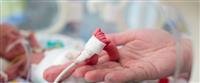
Many women give birth before the specified date, and give birth to premature children who may suffer from several problems. Here is a set of risk that causes premature children in the following:
Fear and tension often appear on pregnant women who give their children before the specified date, as premature children have great health risks.
Risks that are attached to premature children
Children who are born before the 37th week of pregnancy are called premature infants, and there are many risks that can occur on their health due to premature birth.
It includes a group of risks that are attached to premature infants on the following
1. Unbroken lung
Most children are born 36 weeks ago suffer from immature lungs, but the degree of lung maturity varies from child to child.
If the mother and health care provider agrees that the child is an early condition, an amniotic fluid scan can be performed to verify the level of maturity in the lungs.
In some cases, steroid injection is given to the child before birth in order to accelerate the growth of the lungs, and the inferior lungs are linked to the following complications:
Response Distress Syndrome
They are severe disorders that occur due to the lack of a specific factor in the lungs that helps prevent them from collapse.
The treatment of this condition includes the supply of the lung with additional oxygen by using the artificial respiratory system, the pressure of the continuous positive antenna, or the coercive insect.
Transient Tachypnea acceleration
It is the rapid breathing of the child can be one of the risk of premature infants, usually takes three days or less, is treated by doing intravenous feeding.
Bronchopulmonary dysplasia (bronchopulmonary dysplasia)
It occurs when my child''s lungs appear in a manner, and the artificial respiration system can be placed to treat this condition.
2. Infection
Al -Khadij''s child may not be able to resist some types of infection, so he is placed in an incubator to provide protection from diseases he can be exposed to.
Care must also be taken to food free from germs and viruses that can cause him infection, so it is preferable to monitor it, especially in the first months of his birth.
3. Frection infection
These are among the risks that are attached to common premature infants where the child''s skin is yellowish due to the accumulation of bilirubin in the blood, and thus causing a satisfactory condition called jaundice.
The treatment includes its placement under the light and the use of the so -called light therapy, as the procedure can take from a week to 10 days.
4. Insoirement (IVH) bleeding (IVH)
Premature children have a growing risk of bleeding in the brain because blood vessels are immature, which leads to complications in the future, such as: cerebral palsy, mental retardation, or learning difficulties.
Incentive bleeding occurs at about 1/3 children who are born in a period of 24-26 weeks of pregnancy.
If the doctor knows the date of premature birth, the mother can be given medications to help reduce the risk of severe bleeding inside the skull in the child.
5. Not maintaining body temperature
Premature children are born with a little body fat and immature skin, which makes it difficult to maintain body temperature and make them more vulnerable, which poses a risk to them.
If your child, Al -Khadij, suffers from a difference in his temperature, this condition can be treated by using an incubator that provides warmth.
6. The immature digestive system
It is recognized that premature infants are born with a very immature digestive system as it does not effectively absorb the nutrients, which affects the health of the child and exposes it to stomach and intestinal diseases.
In this type of a group of risks that are attached to premature infants, the child receives the first food by venous feeding (IV) for a few days.
7. Anemia
Children develop low concentrations of red blood cells that carry a substance called hemoglobin, causing severe anemia that may affect the health of their rotational system significantly.
The treatment of anemia for the pioneering child can include the transmission of new red blood cells.
8.
It is a condition in which the arterial canal is closed after birth, thus difficulty breathing due to the presence of an open blood vessel.
During the growth of the fetus, the arterial canal is open to allow the conversion of blood from the lungs to the aorta, and then the fetus makes a chemical compound called prostaglandin e, which keeps the arterial channel open.
As the ninth month reaches, the levels of prostaglandin decrease, that is, leading to the closure of the arterial channel, and thus allowing the child''s lungs to receive the blood needed to work properly after its birth.
In the case of the Khadij child, the prostaglandin may remain at the same level, causing the open arterial canal. The treatment here includes taking a drug that stops or slows the production of prostaglandins, i.e.
9. Inflammation of the intestine
Among the risks to premature infants are surfitis that are caused by poor blood flow that affects the intestinal wall, which exposes the child to great damage to his intestine.
Intraphic nutrition or antibiotics treatment includes treatment, but in severe cases it is preferable to perform surgery.
10. Infection
This medical condition occurs for premature infants when bacteria enter the bloodstream and the sepsis are often transmitted to the lungs and can lead to pneumonia, this condition can be treated with antibiotics.