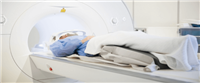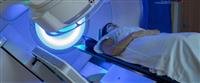
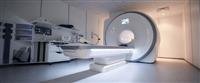
Nuclear medicine is a specialized field in radiology, and it is one of the technologies that has made a clear difference in the field of diagnosis and treatment. It is based on the use of very small and safe quantities of radioactive drugs. To examine the functions of the organs, evaluate their condition, and treat some health problems, such as some tumors.
In the following article, here are the most important details about the use of nuclear medicine in diagnosing and treating diseases:
Nuclear medicine for diagnosis
1. How is nuclear medicine useful in diagnosis?
The principle of nuclear medicine in diagnosis is that the person concerned is given the radioactive substance, most often by injection, and then the specialist tracks this substance using a technique known as positron emission tomography (PET) or single photon emission computed tomography (SPECT) to monitor the amount and how the cells absorb it or How members interact with it.
This gives a strong impression of how the organ performs its function, and thus facilitates the diagnosis of many diseases or knowledge of their functions, especially heart and kidney problems, in addition to determining the level of tumor activity or the extent of their spread and the rate of their response to treatment.
2. Types of nuclear medicine images
Among the types of tests that are used for diagnostic purposes using nuclear medicine are the following:
Imaging using FDG-PET Scan
This type of technology is used to distinguish between healthy and unhealthy cells, in order to diagnose cancer accurately, in addition to being able to know the stage of the disease and monitor the tumor''s response to treatment.
CT or MRI is usually used with FDG-PET scanning, as this allows anatomical and behavioral images to be captured at the same time.
Myocardial perfusion imaging
The nuclear image can evaluate the health of the heart and the efficiency of this muscle, as well as evaluate the degree of damage to which the heart has been exposed after clots.
Imaging of the kidneys
It gives an illustrative picture of the kidneys and detects any defect in them. Including ureteral stricture.
Thyroid imaging
With nuclear imaging, it is possible to evaluate the health of the thyroid gland, detect any nodules or masses in it, or even determine the reason for its increased activity.
Prostate specific membrane antigen test (PSMA PET)
This test greatly helped determine the location of cancerous prostate cells and thus facilitated their treatment and dealing with them. The good thing is that this test is able to detect prostate cancer at stages that many other tests cannot detect.
DOTATOC PET imaging
This imaging is useful in detecting neuroendocrine tumors (neurohormonal tumors). So the radioactive material is given by intravenous injection, and this examination often takes 20-25 minutes.
Nuclear medicine for treatment
As for treatment The principle of nuclear medicine is based on injecting a radioactive drug into the body to bind to the target cells, thus destroying them or stopping their growth. This treatment is an excellent option in some cases of thyroid tumors, prostate cancer, neurohormonal tumors, and others. Nuclear therapy may be the best option in some cases of cancer that have not responded to any other treatment.
1. How are tumors treated with nuclear medicine?
A drug (prepared from radioactive compounds) is used and given by injection or orally. This drug is characterized by its ability to bind and adhere to cancer cells more than healthy cells, and once bound to them, the rays emanating from inside the cell work to kill them.
However, an amount of the drug may remain unadhered to any cancer cells and remain floating in the blood, and this amount can be eliminated by the body over time, often through urine. Nuclear medicine treatment often has to be repeated several times to get good results.
To obtain the best results from nuclear medicine, it can be used in combination with other treatment options, such as chemotherapy or surgery. Nuclear medicine may be used with these treatments at the same time or after them.
2. What are the benefits and advantages of treating oncology with nuclear medicine?
The advantages of nuclear medicine treatment are the following
This treatment targets cancer cells and therefore will not cause significant damage to healthy, non-cancerous cells.
It can treat some tumors and cancers that have not responded to other treatments.
It''s a simple, non-risky option.
It controls symptoms in many patients.
It shrinks tumors and stops their growth, sometimes for years.
3. Examples of nuclear medicine in oncology
Among the uses of nuclear medicine in treating tumors, which Al Mousa Hospital provides are the following:
Thyroid cancer
This treatment is used in cases of thyroid cancer The doctor removes the affected part of the thyroid through surgery, then gives the patient radioactive iodine I-131 to destroy any cancer cells remaining after surgery.
The good thing about this type of treatment is that it does not affect the body’s healthy cells and therefore does not cause serious side effects. It may also help get rid of thyroid cancer cells that have spread to the lymph nodes or other parts of the body.
Metastatic bone tumor
An example of the uses of nuclear medicine is lexidronam samarium 153, which is a radioactive drug used to treat some diseases, and is most often used to relieve pain in people whose tumors have reached the bones. Such as some cases of breast cancer that have spread to the bones.